Why Proper Animal Identification Matters For Farms
Track Health, Meet Regulations and Protect Market Access
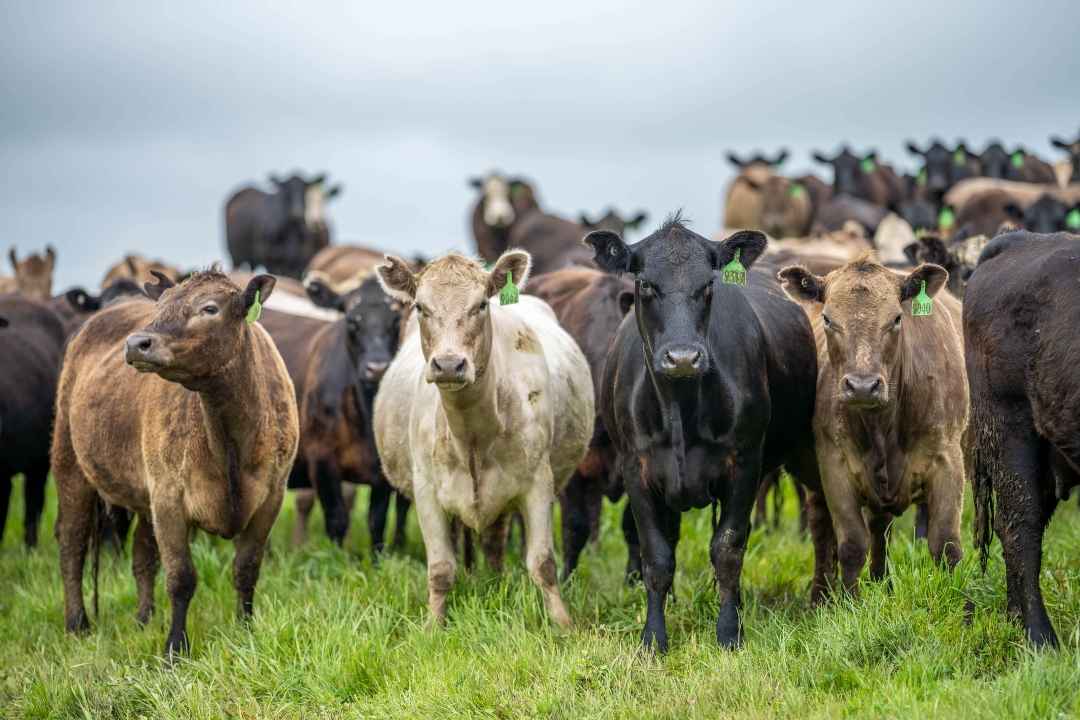
A successful livestock operation requires constant focus on herd health, productivity and the ability to trace each animal. One of the things farmers sometimes overlook is proper animal identification. Whether you have a herd of 50 or 5,000, excellent record-keeping, regulatory compliance and disease control rely on adequate livestock ID systems.
In today’s competitive agriculture sector, accurate identification is essential for operational efficiency, public trust and long-term profitability.
Enhancing Record-Keeping and Management Efficiency
Every animal on a farm represents a valuable investment of labor, time and resources. Clear identification systems, such as ear tags, microchips or branding, make it easier to track an animal’s health history, breeding data and performance metrics.
When you integrate these systems with modern digital tools, such as radio frequency identification (RFID)-based management platforms, producers can automate data collection and minimize human error. Reliable ID means that you never lose or misattribute vaccination, feed regimen or breeding records.
This not only saves time but also enables more informed decisions about genetics, nutrition and reproduction planning, which are areas where minor improvements can have significant financial impacts over the long term.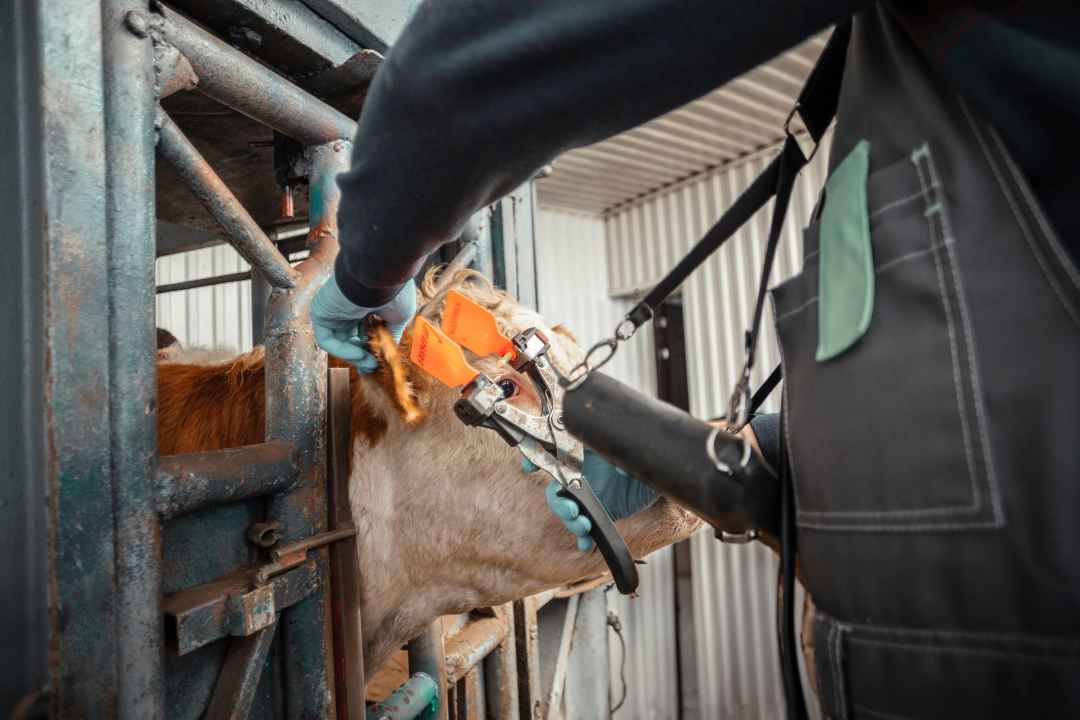
Ensuring Regulatory Compliance
Industry regulations, including those from the government, require farmers to keep animal identity and movement records. These strict identification standards help prevent fraud while providing transparency throughout the food supply chain.
In the United States, systems such as the National Animal Identification System (NAIS) and various state-level programs improve accountability and response times in the event of an animal health emergency.
Complying with these regulations isn’t about avoiding penalties. It demonstrates a commitment to best practices and consumer safety, which can bolster a farm’s reputation and enhance market access.
Robust ID protocols also streamline audits and inspections, reduce administrative headaches and make it easier to prove adherence to vaccination, treatment and movement rules when working with processors, packers and export partners.
Protecting Against Disease Outbreaks
One of the most crucial functions of identifying animals is the ability to quickly trace animals during disease outbreaks. When you detect a case of avian influenza, foot-and-mouth disease or bovine tuberculosis, you must be able to trace each animal promptly.
A consistent identification system allows authorities and producers to trace an animal’s origin, movements and contacts, which dramatically reduces the risk of widespread infection.
Effective tracing protects the health of livestock populations and helps keep the public confident about the safety of the food supply.
Opening Doors to Domestic and International Markets
Global trade in livestock and animal products requires rigorous traceability. Buyers and regulators demand verified proof of origin and health status before animals can cross borders.
Farms that implement advanced identification systems such as RFID ear tags or retinal scans can more easily meet export requirements and use premium markets that value transparency and quality assurance.
Even in domestic trade, being able to trace animals reduces risk for suppliers, feedlots and processors. A verified and traceable animal population strengthens individual businesses and the entire industry’s reputation for integrity.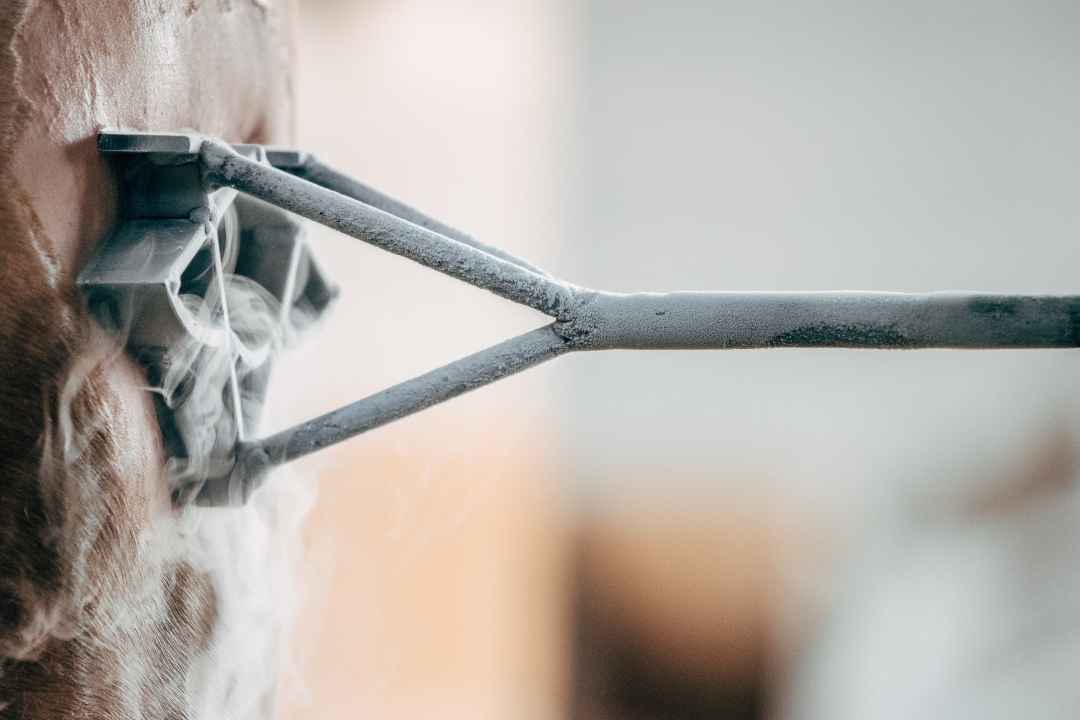
Evolving Technologies
Traditional methods like ear tags, tattoos and branding remain widespread, but technological innovations are rapidly shaping the future of livestock identification.
RFID: Provides real-time tracking, automates data collection and minimizes human error. RFID tags streamline record-keeping and are durable enough for field conditions.
Retinal Scans: Offer a unique biometric method that eliminates duplication errors and enhances biosecurity.
Traditional Branding: Still serves as a reliable, tamper-proof option, especially in regions where visual identification is preferred. Producers interested in quality tools can explore various branding irons for sale to support long-term, visible identification needs.
Each method has its advantages depending on herd size, operation level and budget. Many farms use a combination of systems to achieve redundancy and flexibility.
Building Public Trust Through Transparency
Today’s consumers care significantly about where their food comes from. The ability to reliably identify animals allows farms to share facts and figures with confidence, whether through certifications, traceability programs or farm-to-fork storytelling.
The ability to identify each animal offers proof of ethical stewardship, assures buyers that the safety, welfare and sustainability are measurable practices.
For agricultural producers, that trust is invaluable. It transforms transparency into a tangible market advantage.
Safeguard Your Herd’s Health and Credibility
The ability to correctly identify animals is more than a management tool. It allows you to safeguard the entire industry’s health, credibility and resilience.
From ensuring regulatory compliance to defending against disease and improving efficiency, robust identification systems allow farmers to protect their investments and strengthen consumer confidence.
For farmers who want to modernize, adopting reliable identification technology and marking tools is a necessity.
When you invest in proven solutions, such as RFID tags, tamper-resistant visual identification and durable branding equipment, you create a foundation for data-driven decisions, seamless integration with supply-chain partners and easier audits.
Clear and consistent identification shows buyers, regulators and consumers that the operation takes traceability, biosecurity and animal stewardship seriously.
About the Author
Jesse Miller is the owner of LVR Livestock Brands, which manufactures high-quality livestock branding irons for ranchers. He has been involved in the livestock and branding industry for many years, beginning with his upbringing on a ranch and later taking over his family’s branding business. He focuses on producing clear, legible and reliable branding irons designed to meet the needs of ranchers who depend on them.