USDA Urges Producers to Prepare for Weekend Bomb Cyclone Storm
USDA urges farmers and ranchers to prepare for a bomb cyclone winter storm and outlines food safety tips and disaster assistance programs.
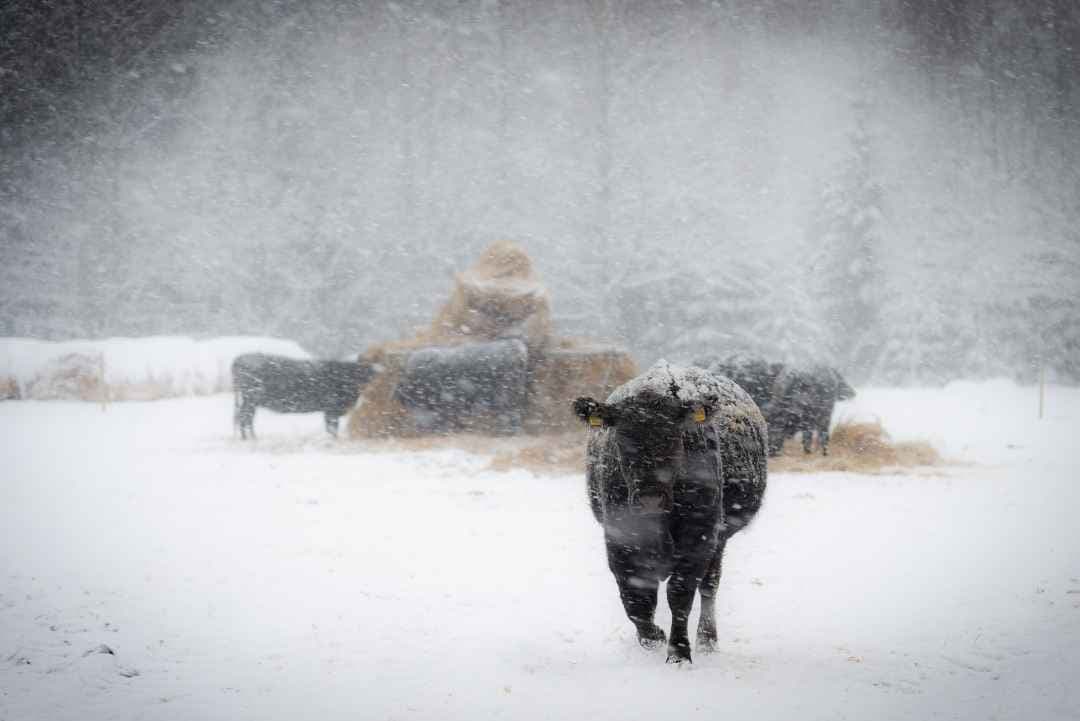
The U.S. Department of Agriculture (USDA) is encouraging farmers, ranchers and rural communities across the Southeast, southern Virginia and parts of the mid-Atlantic and New England to prepare for a rapidly intensifying winter storm expected to become a bomb cyclone this weekend.
USDA officials said staff at regional, state and county offices are prepared to help communities before, during and after the storm.
Producers and residents can find recovery resources through USDA’s Disaster Resource Center and the Disaster Assistance Discovery Tool. USDA also recommends contacting local USDA Service Centers to learn which assistance programs may apply.
Food Safety During Power Outages
Strong winds and heavy snow may cause scattered power outages. USDA recommends the following steps to help keep food safe:
- Refrigerators will keep food below 40°F for up to four hours without power. Full freezers can stay cold for about 48 hours (24 hours if half full). Keep doors closed as much as possible.
- Do not place perishable food outside in the snow, as temperatures can vary and food may be exposed to animals and unsanitary conditions.
- Freeze containers of water or make ice ahead of time and place them around food to help maintain cold temperatures.
- Freeze items such as leftovers, milk, fresh meat and poultry if they won’t be needed right away.
- If long outages are expected, consider purchasing 50 pounds of dry or block ice to keep an 18-cubic-foot freezer cold for two days.
- Group foods together in the freezer so they stay cold longer.
- Keep several days’ worth of ready-to-eat foods that do not require refrigeration or cooking.
For food safety questions, producers can call the USDA Meat and Poultry Hotline at 1-888-674-6854 (Monday–Friday, 10 a.m.–6 p.m. ET) or email MPHotline@usda.gov.
Meat and poultry businesses can contact the FSIS Small Plant Help Desk at 1-877-374-7435 or email InfoSource@usda.gov.
Protecting Livestock and Pets
USDA’s Animal and Plant Health Inspection Service (APHIS) urges producers in the storm’s path to take steps now:
- Provide animals with shelter, dry bedding and access to unfrozen water.
- If transporting livestock across state lines, contact the receiving state’s State Veterinarian’s Office. APHIS Veterinary Services state offices can assist.
- Follow guidance from emergency officials, especially in areas expecting blizzard conditions or coastal flooding.
Reporting Losses and Accessing Assistance
USDA offers multiple programs to help agricultural operations recover from winter storm impacts.
Producers with Federal Crop Insurance or Noninsured Crop Disaster Assistance Program (NAP) coverage should:
- Report losses to their crop insurance agent or local Farm Service Agency (FSA) office within 72 hours of discovering damage
- Follow up in writing within 15 days
Additional USDA programs include:
- Livestock Indemnity Program and Emergency Assistance for Livestock, Honeybees and Farm-raised Fish
- Tree Assistance Program for damaged orchards and vineyards
- Emergency Conservation Program and Emergency Forest Restoration Program
USDA’s Natural Resources Conservation Service (NRCS) also provides financial and technical assistance through the Environmental Quality Incentives Program and the Emergency Watershed Protection Program.
FSA financial assistance may include:
- Direct and guaranteed farm loans
- Low-interest emergency loans in designated disaster areas
- Loan servicing options for producers unable to make scheduled payments
These loans can help replace property, livestock, equipment, feed and seed, cover living expenses and refinance farm-related debts.
Producers can explore available programs at farmers.gov, including the Disaster Assistance Discovery Tool. For crop insurance claims, contact insurance agents. For FSA or NRCS programs, reach out to local USDA Service Centers.
USDA’s Food and Nutrition Service is also coordinating with the Federal Emergency Management Agency (FEMA) to provide emergency nutrition assistance if requested by states and local authorities.