USDA Announces Ranchers First Beef Initiatives
USDA announces initiatives targeting heifer retention, beef processing, disaster recovery, and support for beginning and veteran ranchers.
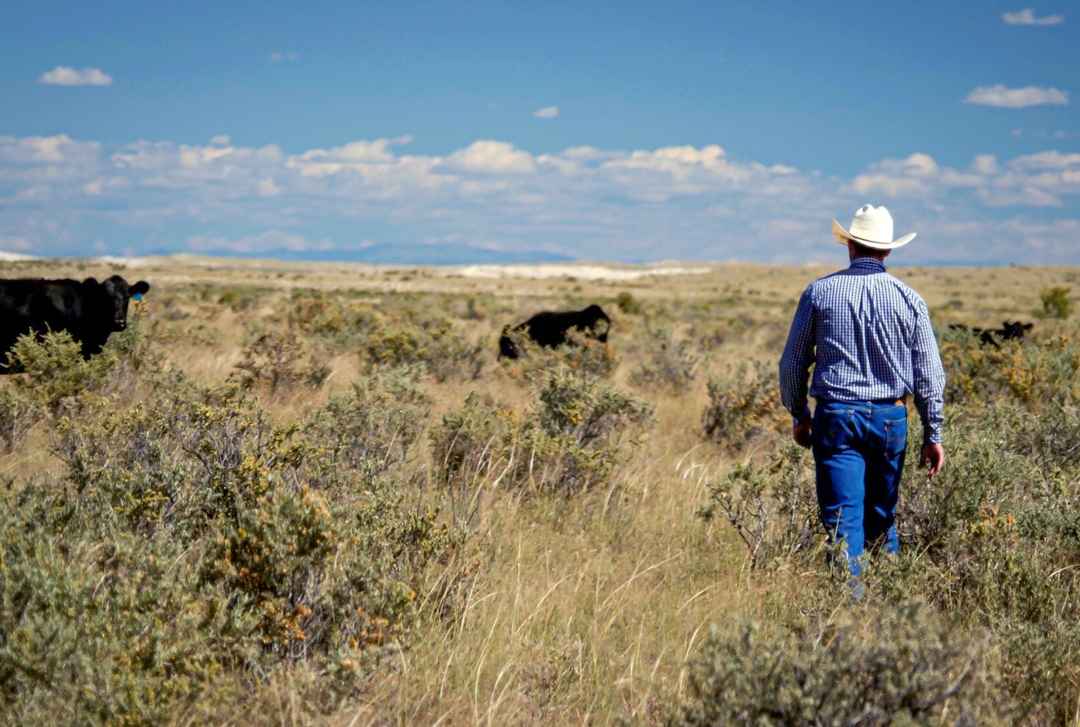
The U.S. Department of Agriculture (USDA) announced a new set of initiatives on August 31 aimed at supporting cattle producers and rebuilding the nation’s beef herd.
U.S. Secretary of Agriculture Brooke L. Rollins announced the Ranchers First Initiative, which builds on USDA’s October 2025 Plan to Fortify the American Beef Industry. According to USDA, the initiatives focus on risk management, disaster recovery, regional beef processing, federal purchasing, and support for beginning and veteran farmers and ranchers.
The announcement comes as the U.S. cattle herd sits at a 75-year low, according to the USDA release.
“Until President Trump took office, America’s ranchers were treated as a problem with policy geared toward their eventual extinction. The consequences were devastating: a war on beef, a cattle herd at a 75-year low, and the loss of tens of thousands of family operations,” said Secretary of Agriculture Brooke L. Rollins. “President Trump promised to put the American ranchers first, and the Ranchers First Initiative delivers on that promise. We are investing real dollars to rebuild the Great American Beef Herd, giving producers the risk management tools they need, cutting the red tape that has squeezed small and independent operators, and demanding transparency in a marketplace that has been consolidated and foreign-owned for far too long. President Trump will make certain the men and women who raise our cattle can hand their operations to the next generation, and that American families can put safe, high-quality, American-raised beef on the table.”
New Risk Management Option for Heifer Retention
One of the new initiatives involves a proposed Beef Retention and National Development (BRAND) endorsement for Livestock Risk Protection (LRP).
The endorsement would allow producers to insure the economic value of retaining a heifer for breeding over a two-year period. USDA said the endorsement would establish a protected value based on the expected slaughter value of the heifer when enrolled.
If the heifer’s projected or realized slaughter value exceeds the economic value of retaining her as breeding stock during the endorsement period, the policy would provide for the difference.
Disaster Recovery on Grassland CRP Acres
USDA also plans to allow producers to use the Emergency Conservation Program (ECP) on Grassland Conservation Reserve Program (CRP) acres following wildfires and other natural disasters.
The flexibility is intended to help ranchers rebuild critical infrastructure more quickly and minimize long-term losses associated with disasters.
Support for Regional Beef Processing
USDA plans to expand support for small and regional beef processing through a new SPUR Guaranteed Loan Program. The program follows the Strengthening Processing for U.S. Ranchers (SPUR) program and is intended to support regional processing, including processor cooperatives, expanded small-business operations, and increased varieties of animal proteins being processed.
The department also plans to establish a Regional Processor Continuity Effort to strengthen regional processing capacity and business resilience across the agricultural supply chain.
USDA said recent processing closure announcements mean nearly 20% of beef processing capacity will be available as the herd grows. The department said the available capacity could provide an opportunity to shift processing toward American-owned independent small and midsize businesses and new cooperatives.
Federal Purchasing of American Beef
Another component of the initiative focuses on federal procurement. USDA will prioritize procurement of locally processed American beef by encouraging purchases across federal and state institutions, including prisons, hospitals, and related facilities.
According to USDA, the effort is intended to increase demand for American-raised beef while supporting U.S. ranchers and domestic food purchasing programs.
The initiative builds on USDA’s recently announced Harvest to Hallways program, which aims to put more American-raised beef and local products into school meals.
Programs for Beginning and Veteran Ranchers
The Ranchers First Initiative also includes additional support for beginning farmers and ranchers.
USDA said the Working Families Tax Cuts allowed the department to expand support for beginning farmers and ranchers during their first decade of operations and increase premium assistance during that period.
Beginning ranchers can also access specialized Farm Service Agency loans for land, livestock, and equipment, along with conservation and grazing management support through the Natural Resources Conservation Service. They can also receive risk management protection through livestock insurance programs and connect with state coordinators.
USDA plans to establish an initiative focused on Beginning and Veteran Farmers and Ranchers Affairs. The department also plans to work with the Department of War and the Department of Veterans Affairs to use programs such as the Department of War’s SkillBridge program to recruit service members leaving military service into ranching and farming careers.
USDA Cites Previous Beef Industry Actions
The Ranchers First Initiative follows several actions USDA said it has taken since 2025.
In October 2025, USDA, the Departments of the Interior and Health and Human Services, and the Small Business Administration launched the Plan to Fortify the American Beef Industry.
In March 2026, USDA and the Department of the Interior signed a memorandum of understanding intended to expand grazing access and reduce permitting delays on public lands.
In June, USDA launched the Small Processors Action Plan and opened a fourth round of the Meat and Poultry Processing Expansion Program with $60 million for expanding American processing capacity. The U.S. Forest Service also issued a grazing directive concerning approximately 23,000 permittees and lessees who depend on public rangelands.
That month, Rollins announced the SPUR Program, providing up to $500 million to independent and regional beef slaughter facilities. USDA also announced the $500 million Fertilizer Investment & Expansion for Long Term Domestic Supply (FIELDS) Program to increase domestic fertilizer production.
USDA continues to expand awareness of the Product of USA label, which allows consumers to identify beef born, raised, harvested, and processed in the U.S.
What Ranchers Need to Know
The Ranchers First Initiative adds several USDA actions affecting cattle producers, with a focus on heifer retention, disaster recovery, beef processing, domestic beef procurement, and beginning and veteran rancher support.
The proposed BRAND endorsement would provide a new risk management option for producers retaining heifers for breeding, while changes involving ECP and Grassland CRP acres would address recovery after natural disasters. USDA is also pursuing additional support for regional processors and programs intended to help new and veteran ranchers enter or remain in the industry.