The Great Spray Debate
Comparing Trusted Equipment with Fast-Moving Precision Technology
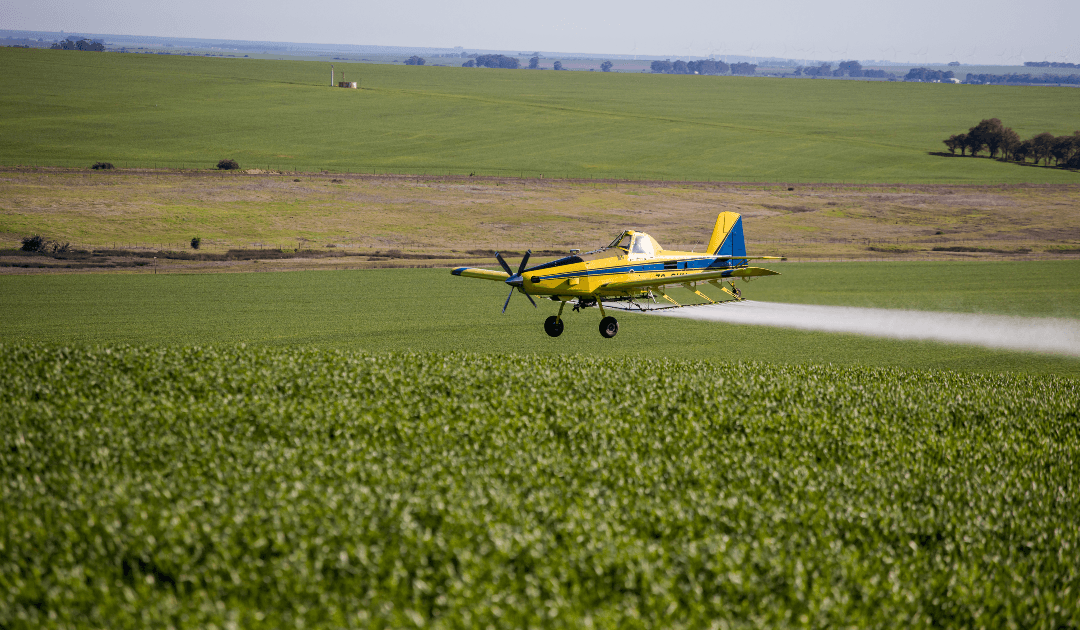
For generations, farmers and producers have viewed traditional crop spraying methods as a cornerstone of modern agriculture. Tractor-mounted boom sprayers, pull-behind units and aerial application systems have enabled the management of weeds, insects and disease across millions of acres for many, many years.
Today, however, modern automated spraying systems have completely changed the conversation.
A hundred years ago, technologies such as GPS guidance, drones, precision spot-spraying and artificial intelligence (AI) might have bordered on science fiction. But the world has completely changed within even just the last few decades. The debate during this time had focused on technology versus tradition. However, due to the dramatic changes in the economy and the need to find more efficient ways to produce, the real issue now is return on investment (ROI). Which system delivers the best balance of cost, efficiency, labor savings and long-term profitability?
Let’s take a closer look at both traditional methods and automated systems and see if we can discern a reasonable and profitable course to follow while we continue to watch the technological landscape develop right before our eyes. We will consider the pros and cons of each and determine how each affects the ROI. The final analysis may reveal a surprising conclusion, but one that will likely prove to be both reasonable and profitable.
Traditional Spraying Systems: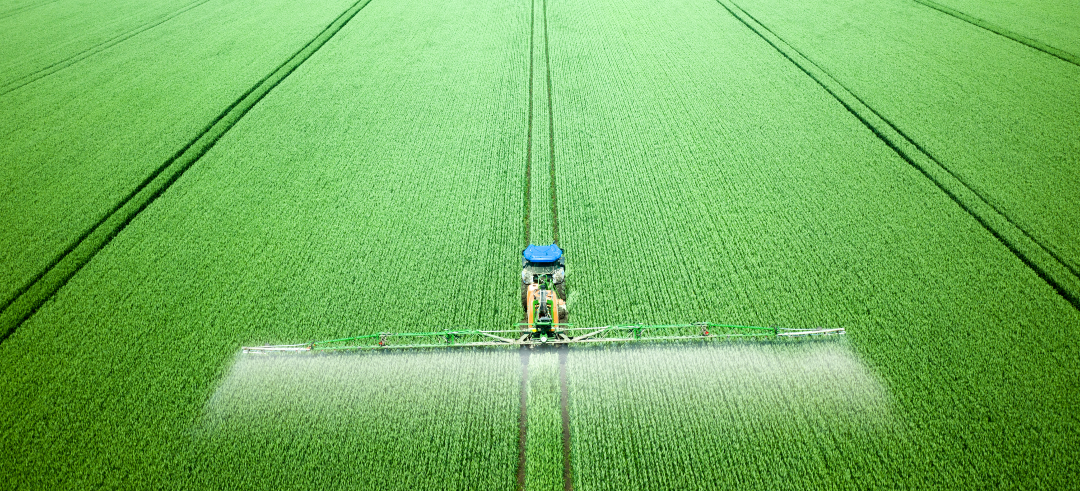 What Do We Like About Them?
The short answer is that they are affordable and “comfortable,” meaning that traditional spraying systems are familiar and dependable. Many farms already own the equipment and may have used it for generations. Operators understand how to maintain it, and repairs are usually straightforward without requiring specialized technical support. In a nutshell, they have a long history of proven reliability in addition to lower upfront costs.
Pros of Traditional Spraying
One of the biggest advantages of conventional spraying systems is lower initial investment. Farmers who already own pull-type or self-propelled sprayers can continue operating without taking on significant new debt. For smaller farms, especially, this often creates a faster short-term return because the equipment has already been paid for.
Traditional systems also provide strong field coverage. Large boom sprayers can treat hundreds of acres in a day under favorable conditions, making them practical during narrow weather windows. According to Graba Robotics, traditional sprayers are still favored for their simplicity, reliability and ability to cover large fields quickly. That reliability continues to matter during busy spraying seasons when downtime can become extremely costly.
Cons of Traditional Spraying
The primary weakness of conventional spraying is inefficiency in chemical application. Traditional systems typically spray entire fields uniformly. That sounds like a good thing, but it is actually just the opposite. When weed pressure or disease levels vary significantly from one area to another, uniformity could work against us. It can result in overlap, overapplication and wasted inputs. Within hundreds or thousands of acres, even a small amount of overlap increases chemical costs substantially.
Labor is another major drawback. Conventional spraying requires more operator hours, and agricultural labor shortages continue to pressure farms nationwide. Long spraying days also increase fatigue and that can lead to application errors. Environmental concerns further complicate the economics of traditional systems. Spray drift, runoff and herbicide resistance can increase both regulatory pressure and long-term input expenses.
So, What is the Bottom Line?
Traditional systems often provide solid short-term return on investment because the equipment cost is lower and many operations already own the machinery outright. However, long-term operating efficiency may suffer due to higher chemical use and labor requirements. For smaller operations, conventional spraying may still offer the best financial return simply because the acreage may not justify the expense of advanced precision systems. However, as input costs continue rising, the long-term financial advantage of traditional spraying becomes less clear.
Automated Spraying Systems: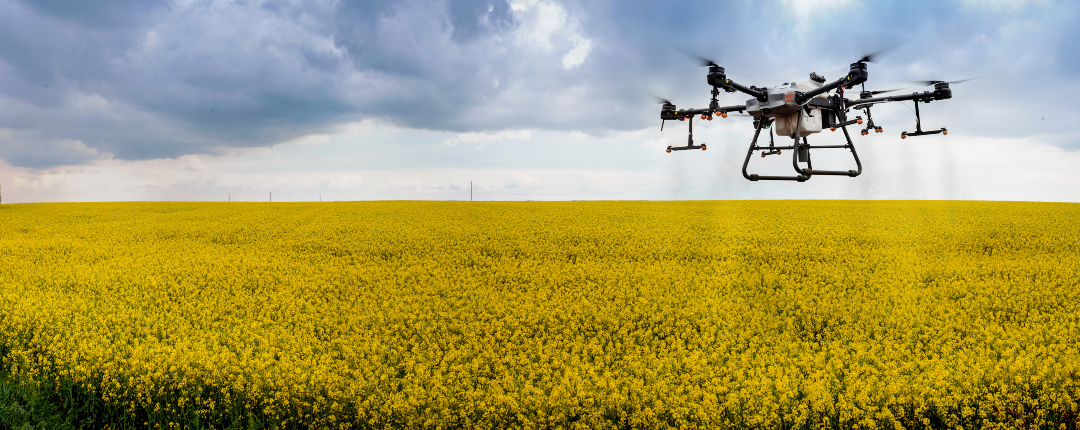 What Do We Like About Them?
Improved efficiency through precision application is an undeniable reason to love the direction our industry is headed. GPS-guided boom control, drone spraying, variable-rate technology and AI-powered weed detection systems all aim to reduce waste while improving coverage accuracy.
Pros of Automated Spraying
The greatest advantage of automated systems is input efficiency. Precision technologies allow chemicals to be applied only where needed instead of blanket-spraying entire fields. Research published through Springer Nature found that precision spraying technologies can reduce pesticide use by 8% to 35%, depending on field conditions and crop variability. Those savings directly improve profitability, especially over time.
Automated systems also reduce labor demands. Drone spraying and GPS-guided systems require fewer workers and allow operators to cover ground more efficiently. One producer in Reddit’s AgriTech community summarized the labor advantage clearly: “a drone can spray areas in hours that would take workers days to finish manually.”
AI-powered spot-spraying systems push efficiency even further by targeting individual weeds rather than spraying entire fields. Research published through arXiv documented herbicide reductions of up to 65% under some conditions while still maintaining effective weed control.
Automated systems can also reduce soil compaction because drones and autonomous equipment often eliminate the need for heavy machinery passes through the field.
Cons of Automated Spraying
From that compelling list of advantages, you might be inclined to wonder what possible disadvantages could there be. However, as is true in much of the modern world, the largest obstacle to automated spraying adoption remains cost. Precision upgrades, drones and AI-powered sprayers can require investments ranging from tens of thousands to hundreds of thousands of dollars. For smaller farms, those upfront expenses may take years to recover.
Technology complexity is another challenge. Automated systems require software updates, calibration, data interpretation and operator training. Repairs may also require specialized technicians instead of standard farm shop maintenance.
Some producers also remain cautious about depending too heavily on rapidly evolving technology. After all, it hasn’t existed long enough to be truly tested for long-term reliability. In one AgriTech discussion, a grower summarized the concern by saying, “the technology is impressive, but it still has to pencil out.”
ROI of Automated Spraying
This news is actually quite encouraging. For medium and large operations, automated spraying systems are increasingly showing strong long-term ROI. Research published through MDPI Agriculture found that many precision agriculture systems generate input savings between 8% and 20% while also improving yields by 2% to 6%. Those gains become especially important on large-acreage farms where every percentage point of savings affects hundreds or thousands of acres.
Chemical savings alone can significantly shorten payback periods. Lower labor costs, reduced overlap, improved application accuracy and fewer wasted inputs further strengthen the long-term economics of automated systems. However, ROI depends heavily on acreage size, crop value and how effectively the technology is implemented. Farms with limited acreage may struggle to justify the investment as quickly as larger commercial operations.
The Big Takeaway
Traditional spraying systems continue to offer dependable performance, lower upfront costs and practical simplicity for many farms. For smaller operations or producers focused on minimizing capital expenses, conventional systems may still provide the strongest short-term financial return.
Automated spraying technologies, however, are steadily proving their value through reduced chemical use, labor savings, improved efficiency and stronger long-term profitability. As precision agriculture technology becomes more affordable and easier to operate, adoption will likely continue growing across the industry.
Given that most of us already own traditional forms of technology and that sophisticated automated technology is constantly evolving and improving, the most prudent course of action may also be a more comfortable one than we might have thought at first.
For many producers, the future may not be one way or the other. Rather than replacing traditional equipment entirely, the best solution may be combining proven spraying methods with modern precision technologies to improve efficiency while protecting long-term profitability. With those significant savings and higher ROI, investing in current technology regularly over a long period will satisfy our two most compelling objectives: growing and improving our technological “comfort zone” while improving our long-term bottom line.