Stocked Up, Stretched Thin
Rising Freight Costs, Longer Lead Times, & Storage Requirements Are Changing Inventory Decisions
When a machine is needed in the field, waiting 60 days for a part can be agonizing. But ordering enough inventory to cover that lead time creates another problem: finding somewhere to put it.
As agricultural equipment gets larger and technology gets smarter, inventory management becomes about more than just deciding how much to keep in stock. Physical storage, tied-up capital, freight, lead times, and parts availability all factor into the challenge.
For equipment dealers and businesses, finding that balance can mean making difficult decisions about what to build, what to stock, and what can wait. Yang Fang, CEO of Beagle Technology, and Jeremy Matuszewski, founder and CEO of Thunderstruck Ag, offered their perspectives on how storage, freight, and parts costs are shaping operations.
“Every machine sitting in storage ties up both space and capital,” Fang said.
Growing Footprints
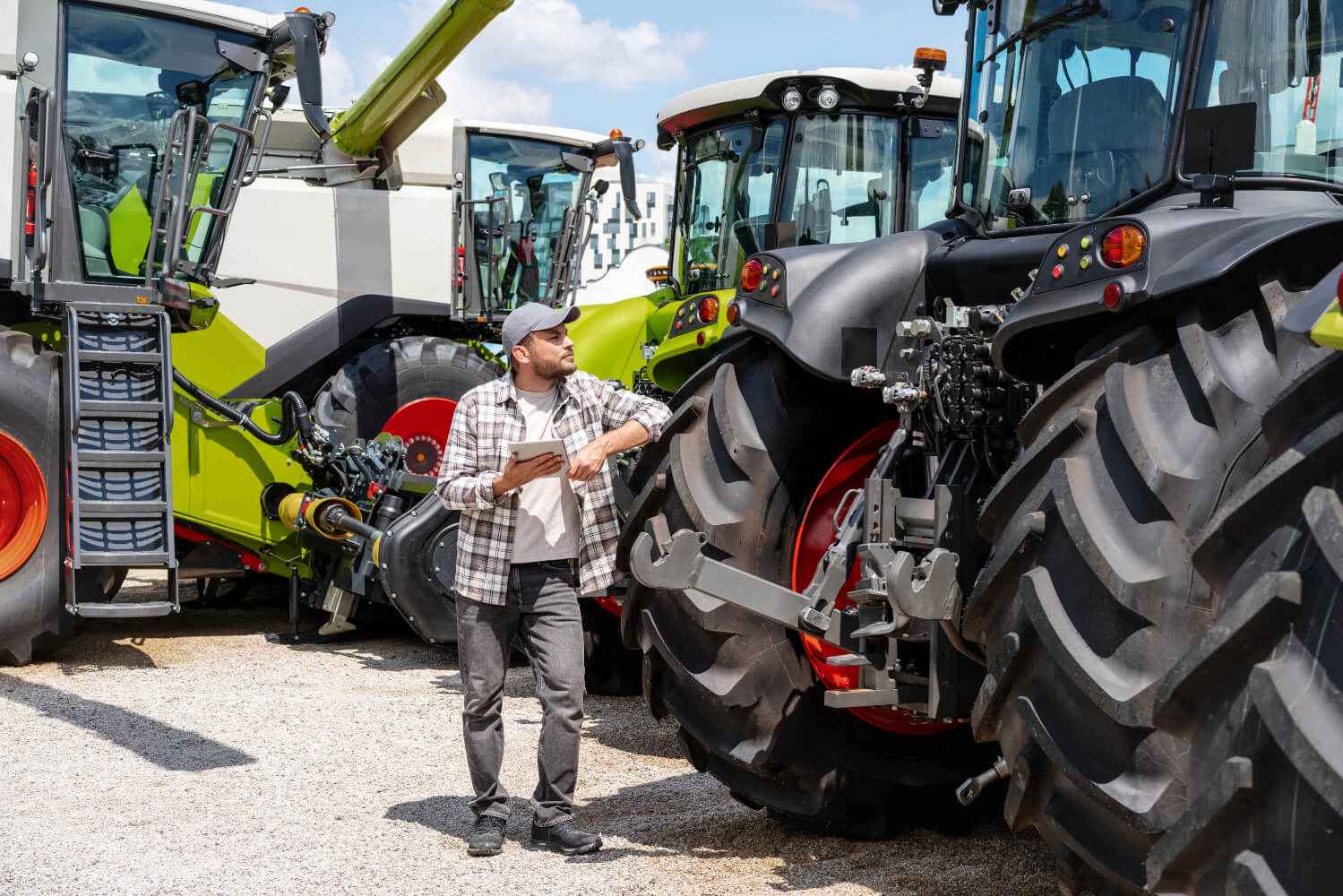
It’s no surprise that larger machines present a physical challenge when it comes to storage. Minnesota Public Radio compares modern equipment to the size of sauropods, as combine harvesters are almost ten times heavier today than they were in 1960.
Fang points out that completed machines present some of the biggest issues when it comes to storage. According to Fang, “They take significant floor space and are not something you can easily move around or stack.”
“A larger machine usually means more components, assemblies, spare parts, and service inventory that also need to be stored and organized,” Fang continued. “That can add up very quickly. Even for us, we have to think about both parts storage and space for machines being assembled, tested, or prepared for deployment. For companies producing much larger equipment, that storage challenge becomes even more significant because you are managing the footprint of the finished product as well as everything required to build and support it.”
Even though the organization is not a traditional dealership, Beagle Technology’s approach to storage is closely tied to how it manages inventory. Rather than maintaining a large dealer-style inventory of finished machines, the company builds and deploys around customer demand.
Carrying Inventory
“We don't want to build ten machines simply because we have room for ten machines,” Fang said. “Finished equipment ties up capital, takes up space, and may still need configuration based on the customer's crop and operation.”
Instead, Beagle Technology aligns production with deployment pipelines and expected customer demand, retaining flexibility at the component level so it can respond quickly when a deployment is confirmed without having expensive finished machines sitting idle.
That same balance applies to parts inventory. For Thunderstruck Ag, some of the biggest storage challenges come from parts coming in from overseas. Long lead times mean the company has to order larger quantities to make sure it has what it needs on hand.
“The type of equipment that creates the biggest storage challenges for us is parts that are coming in from overseas,” Matuszewski noted. “So parts from Australia, parts from Brazil, that we have to order large quantities to be able to keep in stock means that it takes more space and it takes more time to move larger quantities. And we have to order large quantities because it takes 60 days to get here.”
Freight Costs
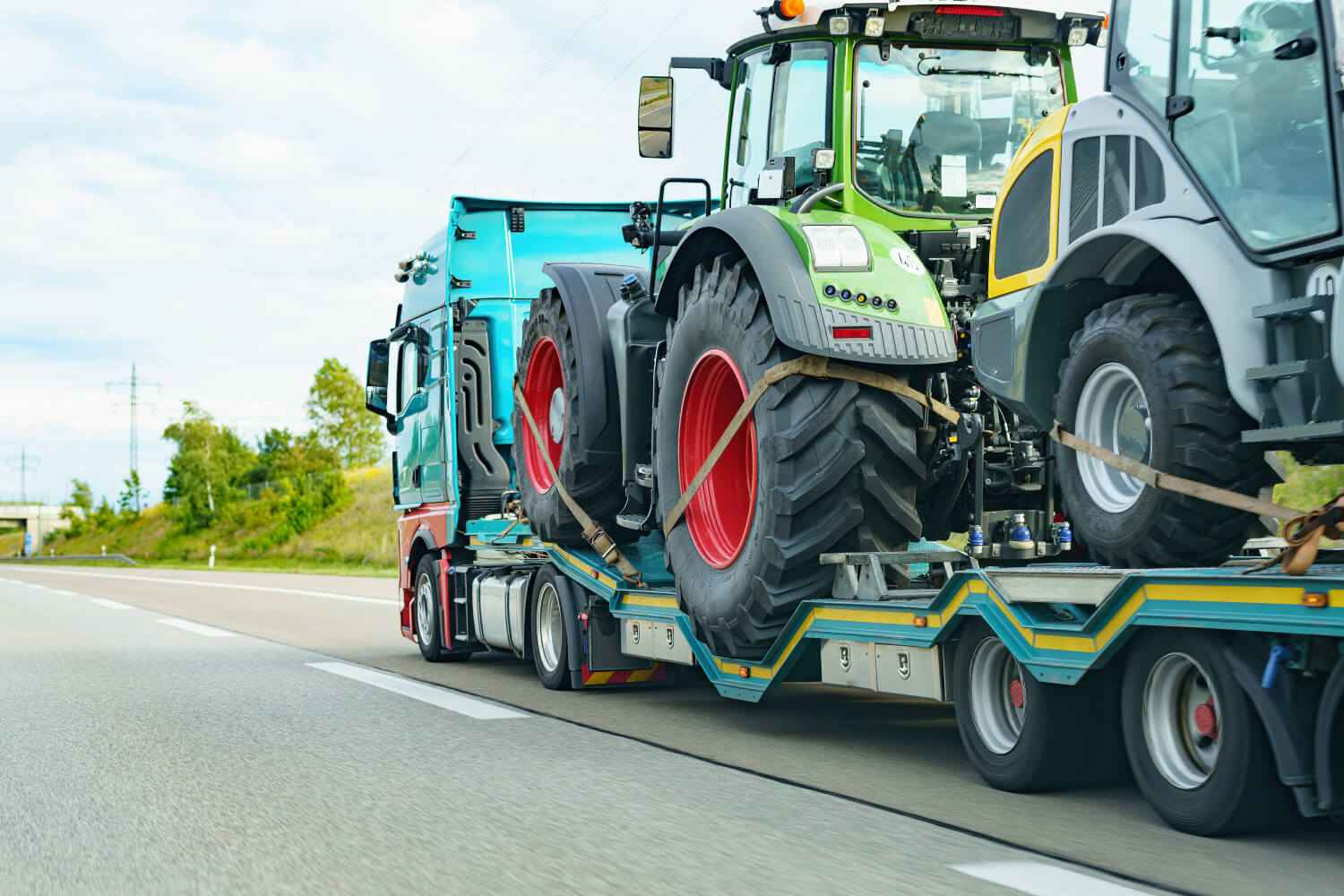
Transportation can add another layer to the inventory picture, and freight and fuel costs have been on the rise.
“For us, that means we have to be much more intentional about when and how we move equipment,” Fang noted. “Our supply chain involves components coming from different locations, and we are also shipping complete machines internationally. Instead of shipping every component as soon as it is ready, we look at whether we can consolidate multiple components or machines into the same shipment. We also try to plan further ahead so we are not forced into an expensive last-minute shipment during a high-demand period.”
“The tradeoff is always timing versus cost,” Fang continued. “We don't want to delay a customer deployment just to save on freight, but if several items can move together without affecting the deployment schedule, consolidating them can make a meaningful difference.”
“We are having to be more meticulous when managing our inventory with the freight and transportation costs going up,” Matuszewski said. “For example, the cost to bring in a container of typhoons from Australia is split across 90 units, and you'd think a 10% increase wouldn't move the needle very much, but it does.”
Availability
Freight costs aren't the only challenge facing equipment businesses. Lead times and parts availability can also affect how much inventory companies need to keep on hand. These components range from cameras and sensors to specialized electronics.
“We don't necessarily stock large quantities of everything,” Fang said. “We look at lead time, failure risk, how easily a component can be substituted, and, most importantly, what happens if we don't have it. A common inexpensive part that can arrive tomorrow is very different from a specialized component that could take weeks to replace.”
Forecasting
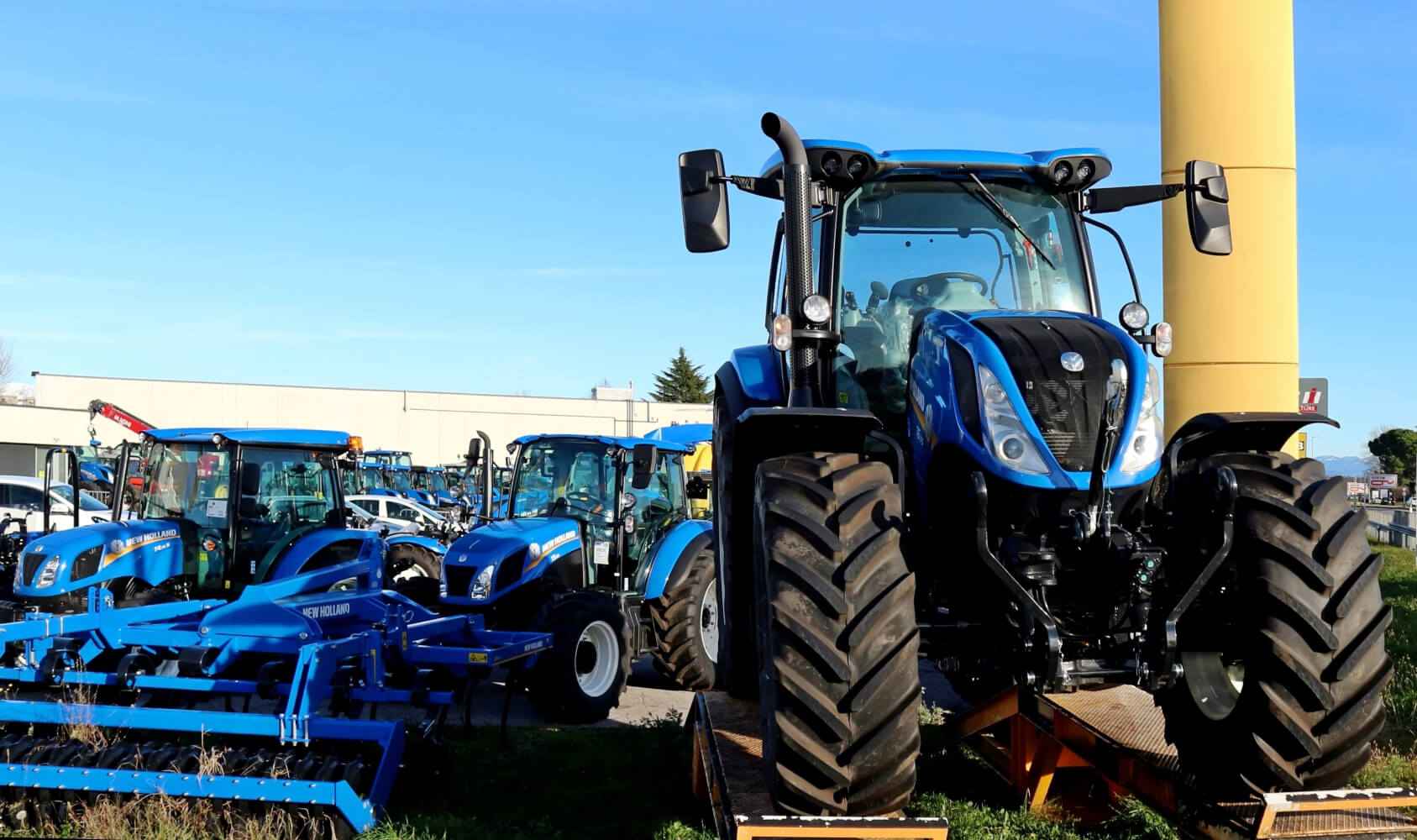
To manage each piece of the inventory puzzle, businesses are turning to several strategies to help control costs. According to Fang, Beagle Technology is focusing on better forecasting, disciplined spare-parts planning, local support, and efficient logistics.
Thunderstruck Ag is also leaning on available technology to improve its inventory management, using artificial intelligence (AI) to help determine what it needs to keep on hand.
“AI has been one of our most efficient tools in helping us manage our inventory,” Matuszewski said. “It has helped us analyze our sales and order history, our stockout data, and has helped us do a better job of forecasting quantities that we need.”
Walking the Tightrope
“I don't expect these costs to disappear,” Fang said. “The bigger opportunity is getting better at planning around them through local support, smarter inventory management, and more efficient logistics.”
Beagle Technology will instead focus on getting support and critical inventory closer to where the machines are actually operating, especially as the company’s deployment footprint grows.
Matuszewski’s outlook shares similar sentiments, with costs even expected to rise. Freight costs will go up as fuel costs increase, while tariffs and rising steel prices may boost parts costs. Slower inventory turns could also create additional storage expenses.
“The Canadian government put a 15% tariff on U.S. made harvest products, including combine parts, so all of our Razors Edge Concaves now carry that tariff,” Matuszewski explained. “For farmers in Canada who need to order a part, those parts are coming from the United States, so they're going to have to pay for it. That's a significant hit for us, since Razors Edge Concaves is one of our best-selling products and made up about 30% of our sales last year.”
As a result, Thunderstruck Ag has decided to absorb the tariff rather than pass it along to farmers, adding yet another cost for the company to manage.
For equipment businesses, those decisions will continue to come down to finding the right balance between having what customers need when they need it and controlling the costs of getting it there.