Service to Soil
Turning Military Experience Into Agricultural Careers
Leaving military service is more than just a career change. It also often means finding a new sense of purpose, community, and direction in civilian life. While there are many routes veterans can take, agriculture offers a unique path forward.
Trent Schmid and Corey Roberts both served in the U.S. Army, but they had different trajectories. Still, their experiences illustrate how the agriculture industry can create opportunities for veterans to apply their existing skills, develop new ones, and find their next mission.
Many Paths
Trent Schmid, owner and auctioneer at Schmid Auction, served in the U.S. Army from 1989 to 1991 as an 11B infantryman and was deployed as an M60 helicopter door gunner during Desert Storm. Before service, Schmid had a taste for agriculture already.
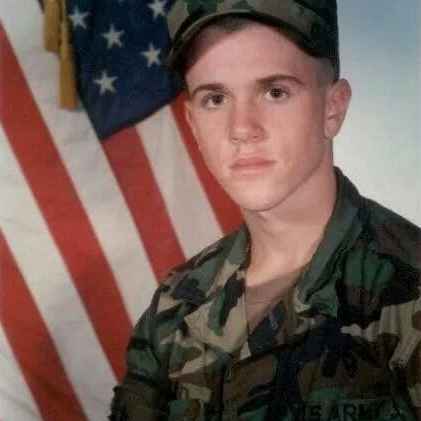
“I grew up on a small farm in central Illinois, where agriculture became a lifelong passion,” Schmid said. “My father and grandfather were farmers who also did some auctioneering.”
After leaving the army, Schmid attended Illinois State University, earning a degree in agricultural business, picking up that passion where he had left off.
“I began my career as a seed corn salesman and agronomist before founding Schmid Auction in Teutopolis, Illinois,” Schmid explained.
The path for Corey Roberts, executive director of Sovereign Roots Veterans Retreat, was not so obvious. Roberts joined the Army following 9/11, spent seven years as a medic before transitioning to human intelligence collection, and deployed in Iraq, Kuwait, and even Germany.
Roberts received an Army Commendation Medal with valor, a Meritorious Service Medal, the Combat Medical Badge, and the Knowlton Award, on top of other recognitions. But after transitioning out of service, it suddenly became unclear.
“My transition from military service to civilian life came with a bit of an identity crisis, a lack of mission, and isolation from people I felt understood me,” Roberts said.
Attending college and several other jobs weren’t a fit for Roberts, either.
“For me, working for a dollar doesn’t feel the same as working to help people while getting paid,” he explained. “I didn’t feel connected to the missions of those jobs.”
The Challenges of Starting Over
Roberts was not alone, and neither was Schmid; the military-to-agriculture transition does not follow one formula, and many veterans come to the field from different backgrounds, farm types, and even reasons for entering the industry.
But there’s an underlying tie with each: the skills learned from military service, including perseverance, work ethic, planning, accountability, and problem-solving, all contribute to success in this industry.
When comparing his military service with his career in agriculture, Schmid puts it simply: “No matter how difficult a task may be, I faced even greater challenges in the military.”
These skills and ability to overcome challenges are incredibly useful in this industry, but agricultural knowledge still has to be developed, especially for those without a background in farming.
While Roberts grew up on a few acres in Indiana, he didn’t have any true experience in ag until moving to Fort Collins, Colorado, where he started with poultry and horses, before taking online agricultural classes and exploring ways to produce more of his own food, including dairy.
Beyond practical experience, agriculture still has its own roadblocks, especially when starting a business or farm. This ranges from uncertain and often unsteady income to capital requirements and land access.
Finding Support
On top of the Transition Assistance Programs (TAP) for service members, such as those from the U.S. Department of Labor, Department of Defense, U.S. Department of Veterans Affairs, and more, programs, loans, and organizations are available to those looking into agriculture.
The United States Department of Agriculture (USDA) Farm Service Agency (FSA) offers loans and grants for veteran farmers; the USDA Beginning Farmer and Rancher Development Program offers training and technical assistance; and the Farmer Veteran Coalition (FVC) connects veterans with agricultural careers through mentorship, grants, and a nationwide network of veteran farmers.
These types of programs offer financial, educational, and business assistance that many veterans transitioning to the industry can find helpful, but there is more than just practical support available. Local organizations offer community and connection, especially for those living in more rural areas where relationships can be difficult to foster.
“If you haven’t built a network before a crisis, finding someone to lean on in the middle of it becomes that much harder,” Roberts stated. “That’s the biggest lesson I’ve learned from this work: build those connections before you need them.”
When starting Sovereign Roots, Roberts envisioned a program that combined working with the land and building self-sustaining skills while creating a space for veterans to form relationships and learn from one another.
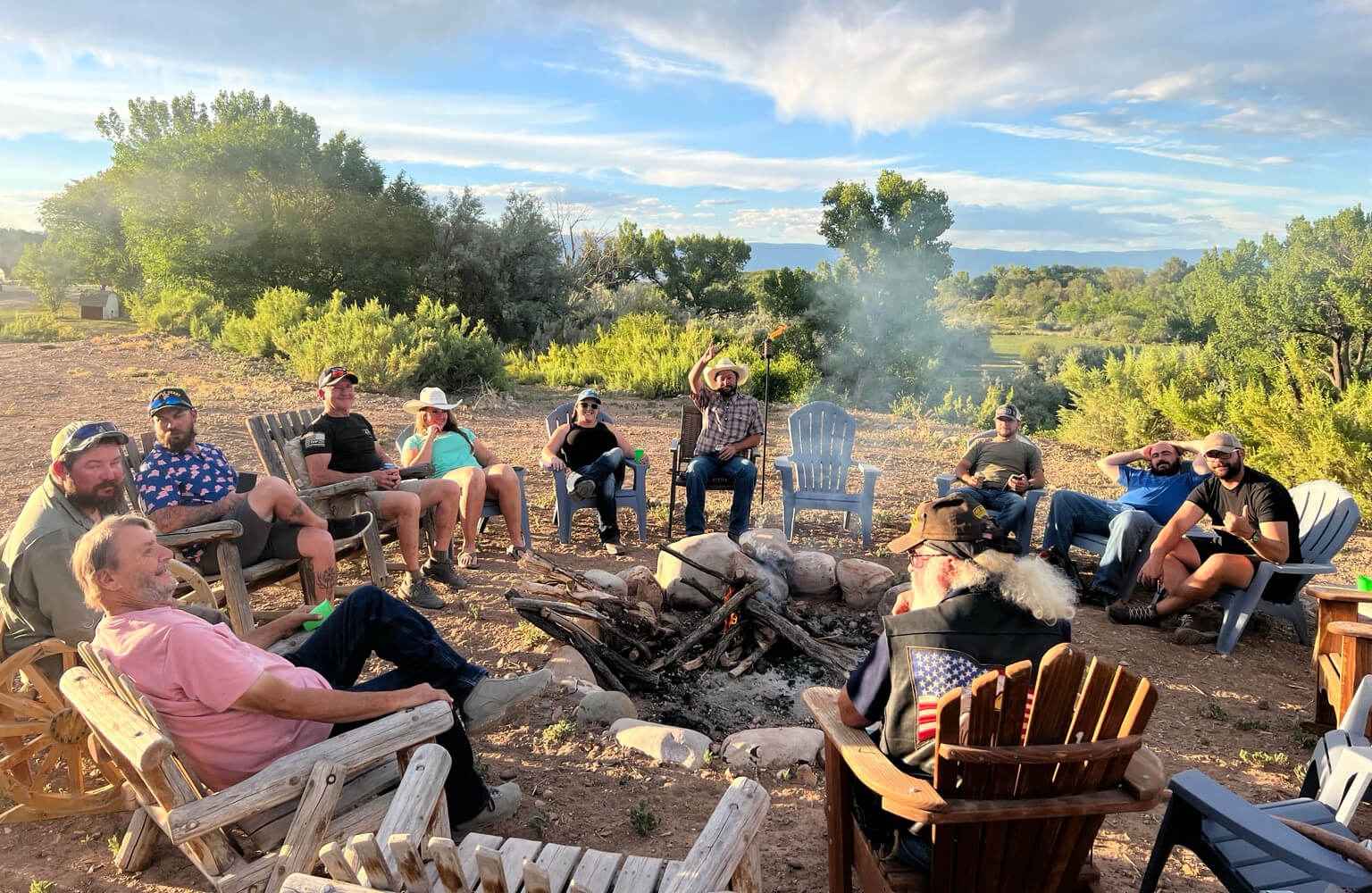
“I figured the first place to start was to build a fire pit on our farm and invite folks out to see the property and spend time in nature,” Roberts explained. “In 2023, I built the first fire pit for our Rally Point gatherings.”
Rally Point Gatherings, which allow veterans to connect, share stories, access resources, and build a grounded community rooted in warrior values, is just one of the offerings from Sovereign Roots to support local veterans out of Colorado. Roberts explains that the organization creates natural settings where conversations have room to happen and members can feel comfortable.
When transitioning, whether it's into ag or another field after service, it's vital to have personal support on top of the practical requirements and support systems available.
Resources for Veterans Pursuing Agriculture
For those interested in farming, it’s important to consider the feasibility of the purchase before buying land or equipment.
“Look at the land, what you want to produce, and what it will take to make that operation work,” Roberts advised. “Whatever condition the property is in, be realistic about the work and resources needed.”
Through the FVC, the Farmer Veteran Fellowship Fund provides grants ranging from $1,000 to $5,000 to help cover costs for items such as fencing, livestock, feed, and equipment. The USDA Natural Resources Conservation Service, agricultural lenders, and applicable Farm Service Agency loan programs may also offer assistance. Veterans should contact local offices directly to confirm eligibility requirements and terms.
Farm ownership is not the only path into agriculture, however. Schmid noted the range of career opportunities available, while the FVC points to training, apprenticeships, hands-on agricultural education, and employment as ways for veterans to gain practical experience before taking on the financial risks of ownership.
Building a Future
Whether it’s from buying property, apprenticeships, a start-up, or returning to the land, the transition from service to agriculture looks different for everyone. While Roberts is using his land to create connections and opportunities for other veterans, Schmid built a business after earning a degree in agricultural business. Both paths offer examples of how military experience can carry over into civilian careers, but finding the right fit also takes planning, industry knowledge, and access to resources.
For veterans considering a career in agriculture, exploring the opportunities available and connecting with the right organizations can help clarify next steps. Roberts encourages asking for help early, before the challenges become harder to manage.
“Start by asking questions or raising your hand and saying you could use some help,” Roberts said.
Schmid’s advice is more direct: “Do it as soon as you can.”