Rethinking Farm Equipment Decisions
Leasing vs. Buying in Today’s High-Cost, High-Demand Ag Environment
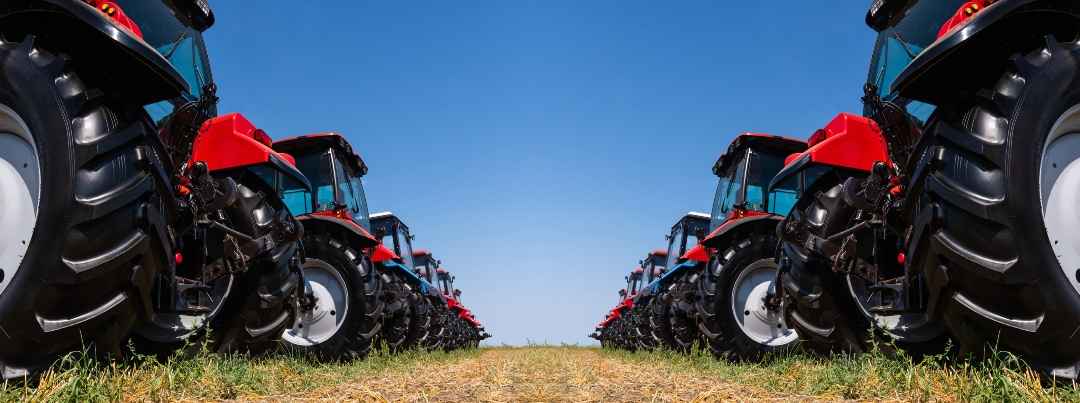
For farmers and agricultural operations, few decisions have a bigger long-term impact on efficiency and financial stability than whether to lease or buy equipment. Tractors, loaders, combines and other essential farm machinery represent significant capital investments that directly influence uptime during critical seasons, operational safety and overall profitability across the operation.
The lease-versus-buy question is no longer just about cash flow; it also involves equipment availability during peak seasons, the pace of technology changes, regulatory pressures and increasingly flexible financing options.
Farmers and ranchers must weigh financing structure, resale value, maintenance responsibility and operational flexibility when making equipment decisions. The right choice often depends on how the equipment will be used across planting, harvesting and seasonal workloads, and how risk and downtime can be best managed in the machine’s lifecycle.
According to the Equipment Leasing and Finance Association (ELFA), leasing and financing are tools that allow companies to match equipment costs with the revenue the equipment generates. “Leasing gives businesses the ability to preserve capital and align payments with usage, while ownership may make sense for assets that remain productive well beyond the finance term,” the association noted in its guidance on capital equipment strategy.
The most immediate distinction between leasing and purchasing lies in how each affects cash flow and balance sheets:
- Leasing typically requires lower upfront costs, which can be appealing for farmers managing tight seasonal cash flow. Monthly payments are generally predictable and may be structured around revenue cycles. For producers facing variable weather, market conditions or seasonal workload spikes, this flexibility can help smooth out expenses. Leasing can also help preserve borrowing capacity for other on-farm investments and operational needs.
- Buying either with cash or through loans requires higher initial capital outlay but eliminates ongoing lease payments once the asset is paid off. Ownership can be attractive for organizations with strong cash reserves or those seeking to minimize long-term financing costs.
From a financial reporting standpoint, leasing can sometimes shift expenses from capital expenditures (CapEx) to operating expenditures (OpEx), depending on accounting treatment. This can improve certain financial ratios and make budgeting more predictable.
Resale Value
One of the strongest arguments for purchasing equipment is the potential to recover value at resale. Equipment that is well-maintained can command significant prices on the secondary market, particularly during times of limited new equipment availability.
However, resale value also introduces market risk. Equipment values fluctuate with demand, fuel prices, emissions regulations and technology shifts. A machine that seems like a solid investment today may lose value rapidly if regulations or customer requirements change.
Leasing transfers much of that risk to the lessor, avoiding concerns about market conditions or obsolescence. This can be particularly important for assets subject to rapid innovation, such as newer-generation tractors, precision agriculture equipment and emerging alternative-fuel farm machinery.
Equipment Availability
Recent years have shown how supply chain disruptions can limit equipment availability and extend delivery times. For farmers and agricultural operations working within tight planting and harvest windows, waiting for new equipment is often not an option.
Leasing can provide faster access to equipment. This can be especially valuable for farmers dealing with seasonal demand, short-term needs or unexpected equipment breakdowns.
Buying ensures long-term availability. Once equipment is owned, it can be used whenever needed without concerns about lease terms, expiration or renewal. That reliability can be important for mission-critical farm assets such as tractors, combines, loaders and other core machinery.
Maintenance
Maintenance is a decisive factor in the lease-versus-buy equation. With ownership, the operation assumes full responsibility for:
- Preventive maintenance schedules
- Repairs and component replacements
- Compliance with safety standards and applicable emissions requirements
This can be advantageous for farm operations with strong in-house maintenance capabilities. Larger operations may prefer ownership because they can handle a significant portion of maintenance internally, often with shop space, experienced mechanics and the ability to manage parts, service schedules and downtime around seasonal demands.
Leasing arrangements vary widely. Some function similarly to finance leases, where the operator is responsible for maintenance and upkeep. Others resemble full-service agreements that may bundle maintenance, inspections and, in some cases, access to replacement or substitute equipment depending on the contract.
Industry sources point out that full-service leasing simplifies budgeting and reduces administrative burden. It can also shift the risk of unexpected repair costs away from the operation.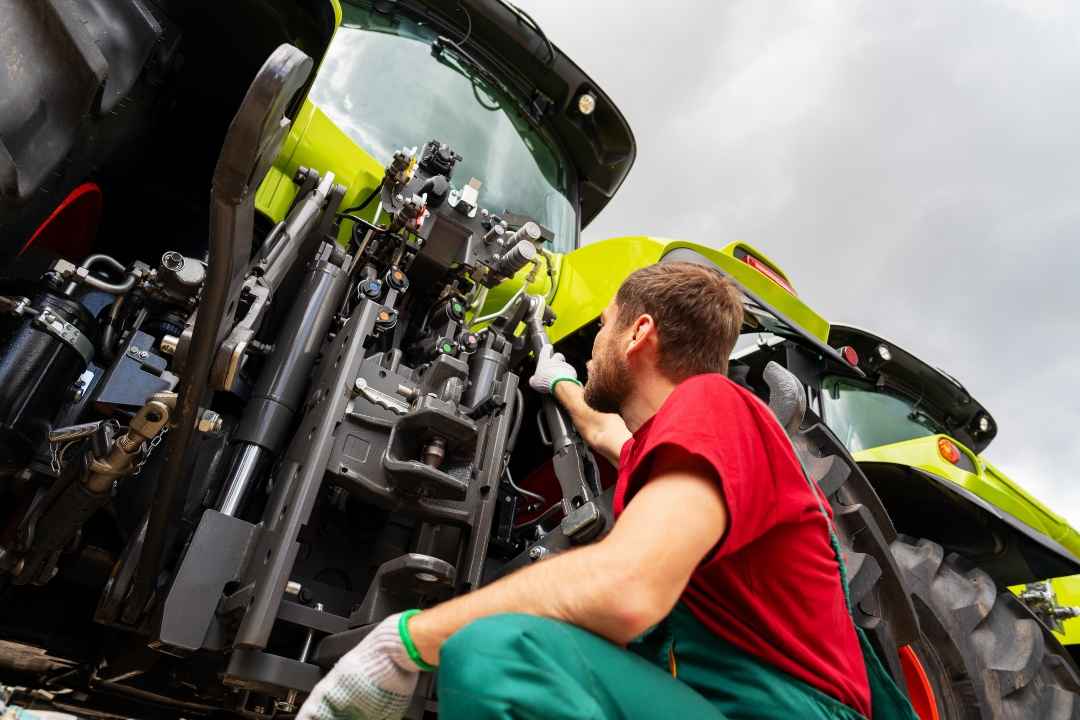
Financing Types
Both leasing and purchasing now come with a wide range of financing structures that allow farmers to tailor agreements to asset type and usage pattern.
Leasing Options
- Operating leases: Shorter-term, with equipment returned at the end of the term
- Finance leases: Similar to ownership, often with a buyout option at the end
- Full-service leases: Include maintenance and sometimes insurance or replacement coverage
Purchasing Options
- Traditional loans: Spread purchase cost across several years with fixed or variable interest rates
- Vendor financing: Equipment manufacturers or dealers provide financing directly
- Specialized agricultural lending programs: Offered through banks and lenders familiar with farm equipment and operations
Strategic Fit
Many U.S. farm operations take a hybrid approach, leasing some equipment while owning core machinery to balance capital investment with seasonal flexibility.
Assets best suited for purchase typically include high-utilization equipment with a long service life, core units essential to daily operations and equipment with strong resale markets.
Assets well suited for leasing include specialized or seasonal units and equipment for short-term projects.
Agricultural operations also consider financial planning and capital constraints when evaluating equipment decisions. Predictable payment structures can help with budgeting around seasonal income cycles, while managing large capital expenditures across planting and harvest periods.
Choosing whether to lease or buy equipment is no longer a routine accounting decision. For U.S. farm operations, it is a strategic choice that affects cash flow, risk exposure, maintenance responsibility and readiness during critical fieldwork windows.
The optimal solution is rarely one-size-fits-all. Instead, agricultural operations evaluate each asset based on utilization, expected service life, seasonal demand and overall financial impact. By focusing on the total cost of ownership and operational needs, farmers can align equipment decisions with both immediate field performance and long-term business sustainability.