Real-World Performance on Working Land
Polaris Sportsman 6x6 570 Review
If you work on large acreage or farmland long enough, you learn quickly that equipment either earns its place or it doesn’t.
This perspective comes from actual use — not spec sheets. I’ve spent years working with equipment in high-pressure environments, from the U.S. Air Force to rescue-focused fire service and now healthcare. I’ve also spent a lot of time operating heavy equipment and working on rural properties.
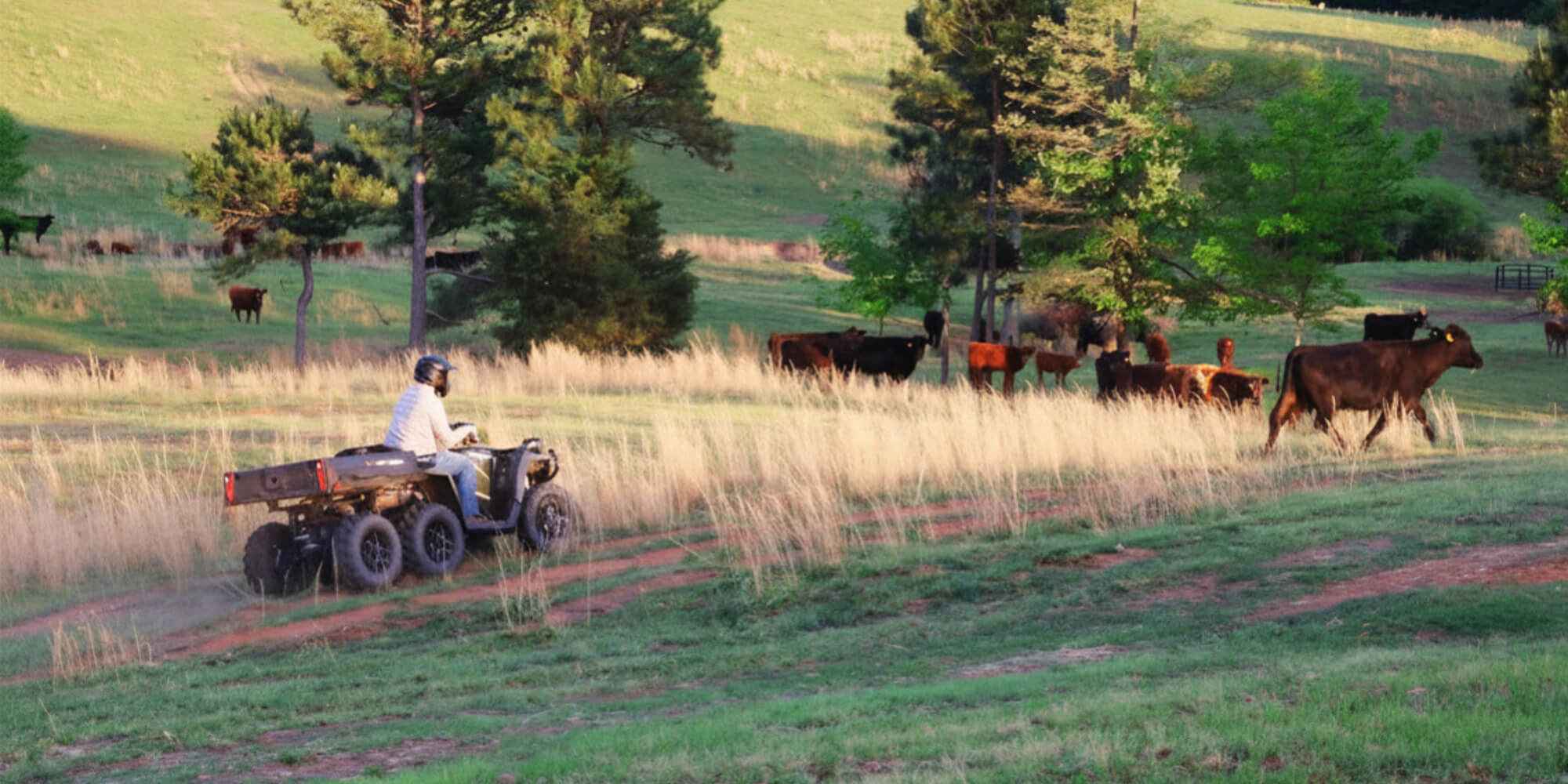
Around our place in rural Alabama and neighboring cattle farm, equipment gets used for actual work: checking fence lines, hauling supplies, moving through mud, storm cleanup and covering acreage. That's the lens this review comes from.
First Impressions
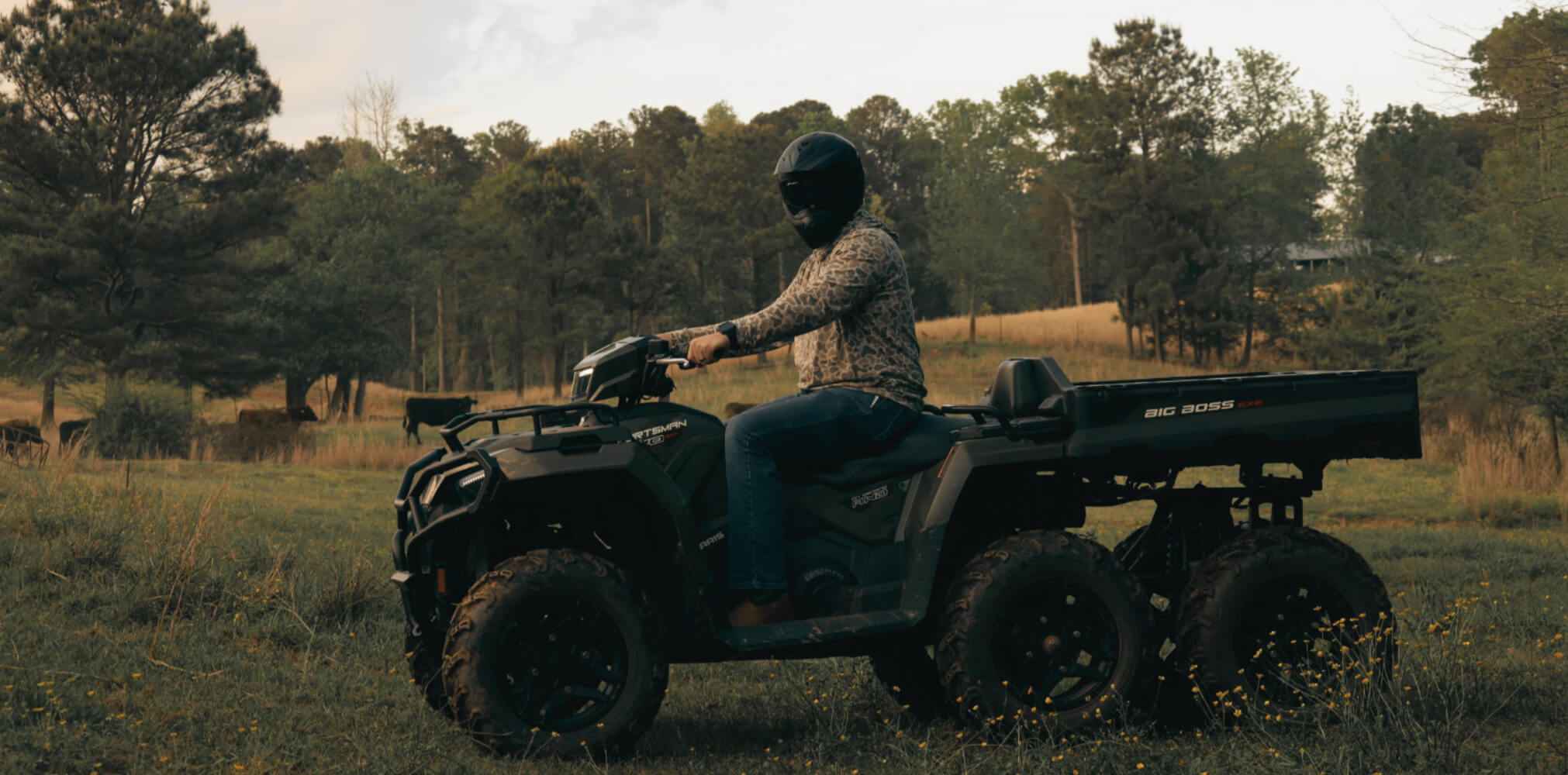
The Polaris Sportsman 6x6 570 immediately looks purpose-built. The six-wheel design and stretched frame make it look more like a utility machine than a recreational ATV.
That matters because many producers aren't looking for something flashy. They want something that feels capable from the start — and this one does.
It looks like equipment meant to work.
Getting Around Larger Properties
One thing that stood out immediately was maneuverability.
For larger operations, you're constantly moving through different environments: pasture, woods, gates, creek crossings, feeding areas, trails and fence lines. Larger equipment has its place, but there are plenty of situations where a tractor or side-by-side can simply feel oversized.
The 6x6 moved through tighter areas surprisingly well and felt easy to place where needed. Working around wooded sections and fence lines felt natural rather than cumbersome.
That kind of mobility saved me time while working in tighter areas on our property.
Mud, Hills, Wet Ground & Real Conditions
We ran it through hills, flat pasture, woods, mud, wet grass and mixed terrain.
Traction is where this machine starts separating itself.
The six-wheel setup noticeably helps on softer ground. Wet grass and mud never felt like situations where momentum had to save you. It stayed planted and kept pulling.
Hill performance was also impressive. It maintained power climbing grades and never felt underpowered.
One thing worth noting: if you're dropping into steeper creek crossings or ditches, slowing down matters. The front end can dip more than expected if you come in aggressively.
Not necessarily a flaw, just something to take a mental note of.
The 2WD, 4WD & 6WD Difference
The drive options are one of the strongest parts of this ATV. Four-wheel drive (4WD) helps noticeably when conditions start getting slick. But when all six wheels engage, that’s where this machine really starts earning its keep.
In muddy areas or soft terrain where other machines begin losing traction, having six tires working together creates a noticeable difference. For producers covering large properties where conditions can change quickly, I believe that flexibility could come in handy.
Stability on Uneven Ground
Pastures rarely stay smooth. Whether it was uneven terrain, rutted ground, slopes or transition areas, the longer frame gave the machine a planted feel.
Overall, it stayed predictable and stable.
Hauling Feed, Tools & Everyday Gear
We used the rear bed for fencing supplies, tools and general work gear. For typical ranch and property use, it handled everything without issue. The dump bed adds real utility.
Feed sacks, fencing materials, mineral tubs, chains, storm debris — those are everyday hauling situations where something like this becomes useful.
Not every task requires firing up larger equipment. Sometimes efficiency wins.
Storage Could Be Better
One area we kept noticing was storage organization. Daily work often involves smaller items — gloves, chains, fencing tools, paperwork, gear you grab repeatedly throughout the day.
The rear bed works well for larger loads, but dedicated storage for smaller equipment feels somewhat limited. Not a dealbreaker, but something producers would likely notice over time.
Towing Capability
We tested some lighter pulling and storm cleanup situations, including moving downed trees.
Smaller material wasn't a problem. Larger trees quickly reminded us that every machine has a lane. For light towing and utility work, it performed well. For serious pulling jobs, bigger equipment still belongs in the lineup.
Hunting and Larger Acreage Use
For producers who hunt or manage hunting property, this setup makes a lot of sense. You still get ATV maneuverability through trails and woods, but gain cargo capacity that becomes useful during hunting season. Being able to load gear — or haul game back out — without stepping into a much larger machine fills a nice middle ground.
Final Thoughts
The Polaris Sportsman 6x6 570 is not trying to replace larger farm equipment, and that is part of what makes it useful. For producers running larger acreage, this is probably not the machine that is going to completely change your operation or suddenly replace tractors and heavier utility equipment.
Where it shines is convenience. It fills the gap for farmers who want something smaller, maneuverable and easy to jump on for everyday tasks without firing up larger equipment. Checking fence lines, hauling tools, moving feed, storm cleanup, running through muddy pastures or getting in and out of tighter areas are where this machine starts making sense.
It also serves a dual purpose that some equipment cannot. It works during the week as a practical work tool and transitions naturally into hunting, property maintenance and general land management.
From our experience, the Polaris Sportsman 6x6 570 earned its place as a useful piece of equipment, not because it does everything, but because it does its specific job well.