Preventing the Preventable
Understanding Hazards & Reducing Risk with Farm Equipment
Agriculture is one of the most dangerous industries in the U.S., alongside forestry, fishing and hunting, with one of the highest fatal injury rates, 18.6 deaths per 100,000 full-time equivalents compared to just 3.7 deaths per 100,00 for all industries, according to the CDC. The CDC also reports that from 2021 to 2022, there were 21,020 injuries in the industry requiring days away from work.
The Bureau of Labor Statistics also reported 417 total fatal injuries in 2022 in the agriculture sector. 140 of these fatalities were tied to contact with objects and equipment and 168 occurred from transportation incidents.
These tragic statistics, unfortunately, don’t come as a surprise to most working in agriculture. This industry is riddled with injuries and accidents that can lead to downtime, costly claims, extended recoveries for employees and, in some cases, fatalities.
Machinery, Equipment & Transportation
Everyday equipment, such as ATVs, utility vehicles and farm trucks, are major contributors to the accident rates within agriculture, but one machine consistently ranks as the leading cause of fatal and non-fatal injuries: tractors. A study from J Agromedicine out of North Dakota found that tractor-related injuries are the most severe of machine-related incidents, and accounted for five of six deaths within the report.
Machinery-related injuries can result in lacerations, crush injuries, amputations, suffocation or engulfment, and a significant amount of injuries occur during machine maintenance or service, 24.5% according to the J Agromedicine study. Common accident scenarios include attempting to unclog running machinery and working near moving or energized systems.
Pinch points, crush points and wrap-up hazards are common within agricultural equipment, a major contributor being power take-off (PTO) shafts. Clothing and hair can get caught in the shafts, potentially pulling the worker into it and resulting in a loss of limb or even death, according to the Department of Labor.
The University of Arkansas Division of Agriculture notes that hydraulic systems can also pose hidden dangers, such as burns, falling equipment, high-pressure injection injuries or equipment collapse. Thrown objects from rotary mowers, balers and combines can create suddenly dangerous scenarios for operators and bystanders.
Roadway incidents and transportation are also a leading cause of fatalities within agriculture, where collision risk is high with slow-moving machinery. A lack of visibility and improper equipment marking increases this risk.
Hierarchy of Controls
These accidents cannot be stopped overnight, but it is possible to take steps toward prevention. The OSHA hierarchy of controls is a commonly recommended method of identifying and ranking safeguards to protect workers. These are ranked from most to least effective.
Elimination is commonly the most successful safeguard. By removing hazards completely, there is no longer room left for risk. While equipment maintenance and operation cannot be eliminated, it is possible to remove some risk, such as by automating heavy lifting.
Following elimination, organizations can try substituting hazardous tasks or materials with safer alternatives.
Engineering controls could be implemented to prevent hazards from coming into contact with workers. These include guards, shields, hoists and machine modifications, such as PTO shielding.
Administrative controls follow engineering controls in the hierarchy. Proper training, job rotation, breaks and safety procedures all contribute to a safer work environment and are often used in combination with a higher-level safeguard method.
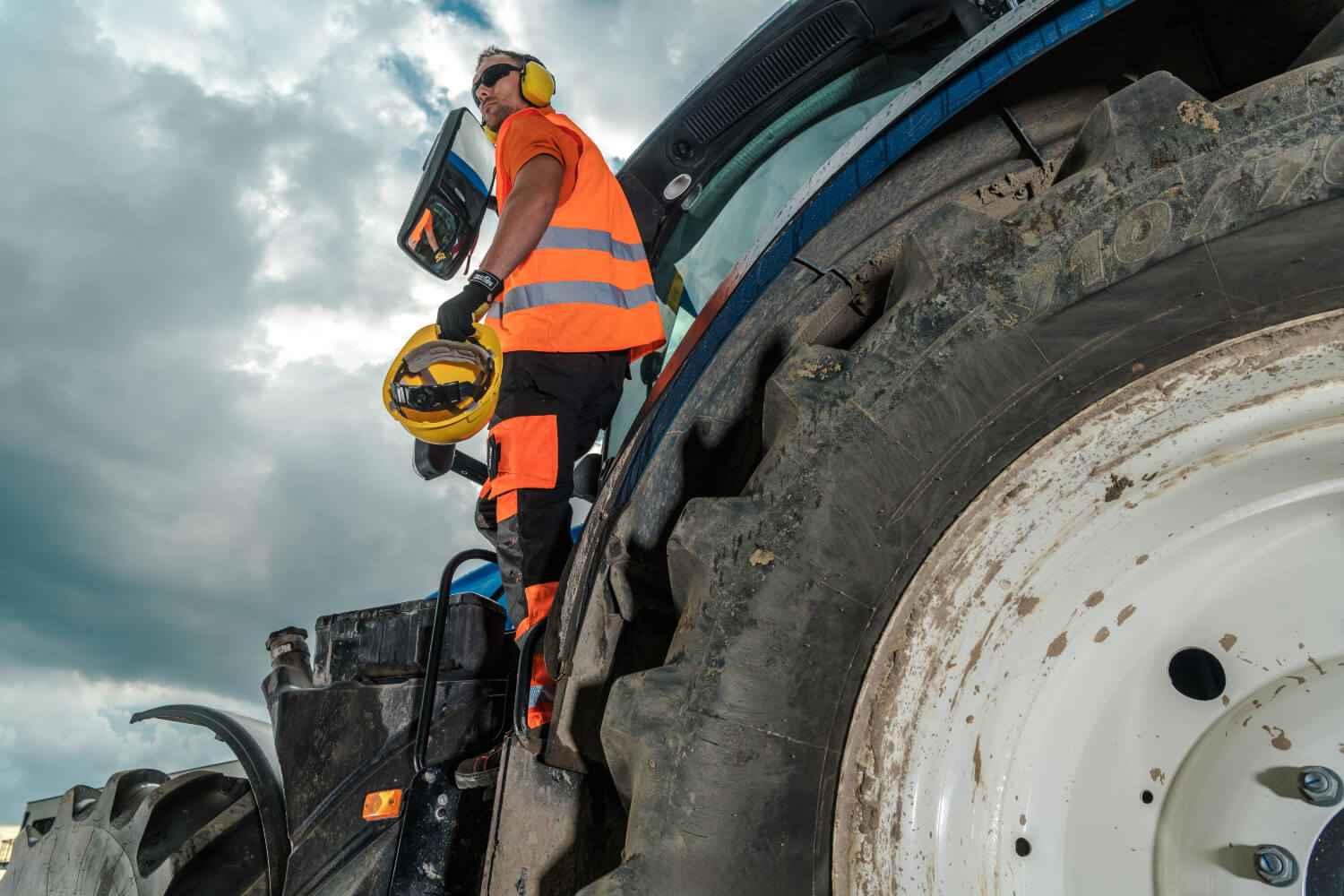
Personal protective equipment (PPE) is the last line of defense. Gloves, eye protection, helmets and task-specific gear can protect workers and should be used in conjunction with other controls. Brass Knuckle Protection, Farmer Boy, 3M, Liberty Safety and other brands provide head, foot, hand, eye and fall protection. It’s vital to properly equip workers, but PPE also requires constant effort and attention for best results.
The hierarchy should be applied as a framework for prevention, and it may require a combination and balance of each control to find the best level of protection.
Training for Prevention
Once a framework is applied, training can come into play as the foundation for a safe environment. With proper and consistent training, universal safety standards and practices can become commonplace and reduce risk.
It is vital to sustain clear, documented equipment and operation training. Westfield Insurance recommends organizations “hire thoughtfully and train thoroughly,” by establishing clear hiring criteria for operators, conducting new driver orientations and providing routine training.
Workers should be trained on machinery hazards, safe distances, maintenance safety procedures and confined space risks and procedures.
Prevention Through Consistency & Culture
Accidents happen, but most injuries in agriculture are preventable. Training, awareness, PPE, proper equipment use and a strong safety culture can significantly reduce risk.
Encourage experienced operators to work with and mentor newer employees, helping reinforce safe habits and proper procedures. Shortcuts should be avoided, especially during high-pressure work periods. This can be an easy trap to fall into when time is short or stress is high, but it can quickly become the standard of work if left unchecked. Keeping a close eye on fatigue, distraction and impaired operation is also critical, as these factors can greatly affect accident rates.
Always ensure compliance with equipment manuals, laws, regulations and safe operating procedures. Together, these efforts contribute to a stronger safety culture, reducing reliance on reactive measures and helping improve incident rates.
Safety in agricultural operations is a year-round responsibility, but it becomes even more important during peak operational seasons. Consistency builds habits, and good habits contribute to the success of an operation, potentially reducing downtime while lowering risk.