Preparing for Planting Season
Top 5 Efficiency Tips
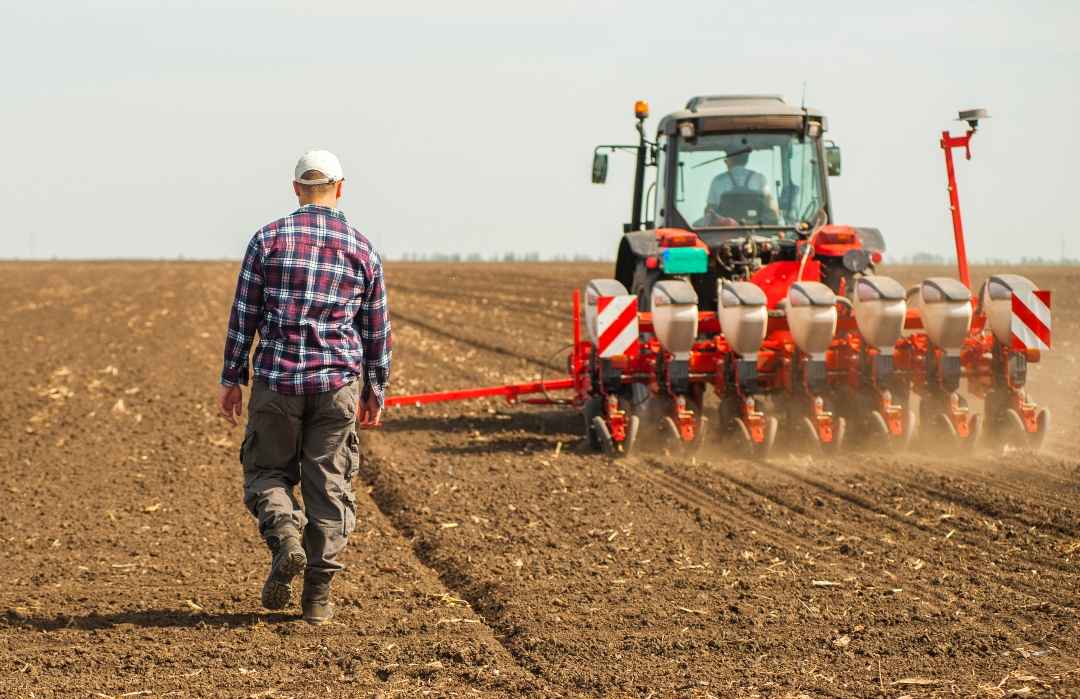
“You reap what you sow.” Farmers have relied on the literal truthfulness of this timeless old saw since the original garden. You sow beans, you reap beans. But the symbolic application of this proverb can at times be overlooked, even by the most intrepid of farmers, when time and the complexities of life distract one from some of the important basics.
Efficiency in the planting stage has become one of the most important metrics in farming since the technological advancements of recent decades, coupled with the high and continually rising cost of living.
So, it’s important to take a step back now and then and look at our business model to ensure we are not missing or unintentionally slacking in any of the efficiency basics. This article will consider five of those basics that rise to the top of the pile and remind us that efficiency in sowing will reap large rewards.
1. Put Mandatory Calibration First
Just as a slow-leaking water faucet, the failure to do a new season calibration can cost a lot of money in the long run. Even a small error multiplied by hundreds or thousands of acres adds up quickly without even realizing it. We say “new season calibration” because every single season calls for another calibration.
That goes for every system that applies product. That means that seed population and singulation, fertilizer and chemical rates and GPS accuracy all need to be rechecked. Seed size and fertilizer blends can change year by year. Wear and tear on equipment, as well as system updates, can make slight changes in the way that equipment operates. So never assume that the numbers for last year will work just as well this year, just because you didn’t intentionally change anything.
Start your calibrations early enough so as to allow a suitable amount of time to accomplish them properly and completely. Don’t just take the planter for a quick spin or go only with the factory settings. Run the actual product you will be using through the system, verifying row shutoffs and section control to avoid double applications on headlands or point rows. Remember, “sow” efficiently and thoroughly.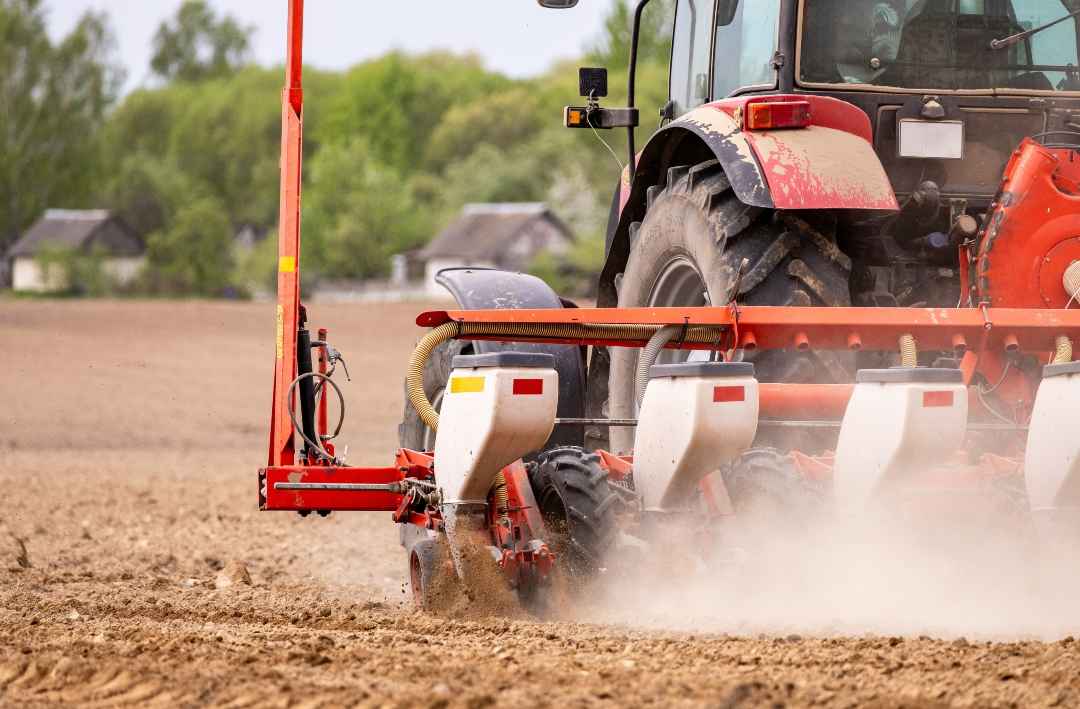
2. Make Replacing Worn Parts a Priority
Mindsets such as “if it ain’t broke, don’t fix it” do not really have any place in the planting business. Not replacing worn parts just because they “ain’t broke” yet is gambling that they will continue to work just fine through this season as well.
In addition to their own questionability, worn parts can damage other parts of the system without the operator even being aware. By the time you see uneven emergence, the damage will have already been done. If a component is approaching its wear limit, don’t wait until it breaks to replace it. Do it now. The cost of lost yield will likely be higher than the cost of replacing the worn part.
Wear to openers, seed discs, brushes, seed tubes, gauge wheels and closing systems happens gradually and not at the same time. Be diligent and thorough in your inspection of these systems. This is also a good time to take a close look at the downforce systems and depth control to ensure consistent depth and good seed-to-soil contact.
3. Preventive Maintenance Can Often Prevent Unscheduled Maintenance
There is no getting around the fact that breakdowns will occur, and they will happen at the worst possible time. Hedge your bets against breakdowns with regular and diligent preventive maintenance.
This is not the same as replacing worn parts. Changing the oil in your car will not prevent a tire blowout, but it will prevent engine damage caused by low oil pressure. So, take the time to grease points, chains, belts, bearings, hydraulic hoses and electrical connections before the planter is put to work.
Time is money, but it is more prudent to spend that time preventing damage before the planting begins than using it to fix something in the middle of a productive day that could have been prevented in the first place.
In this digital world, all of these recommendations apply equally to monitors and software. Ensure that displays power up correctly, sensors read accurately and any necessary system updates are installed well before planting begins.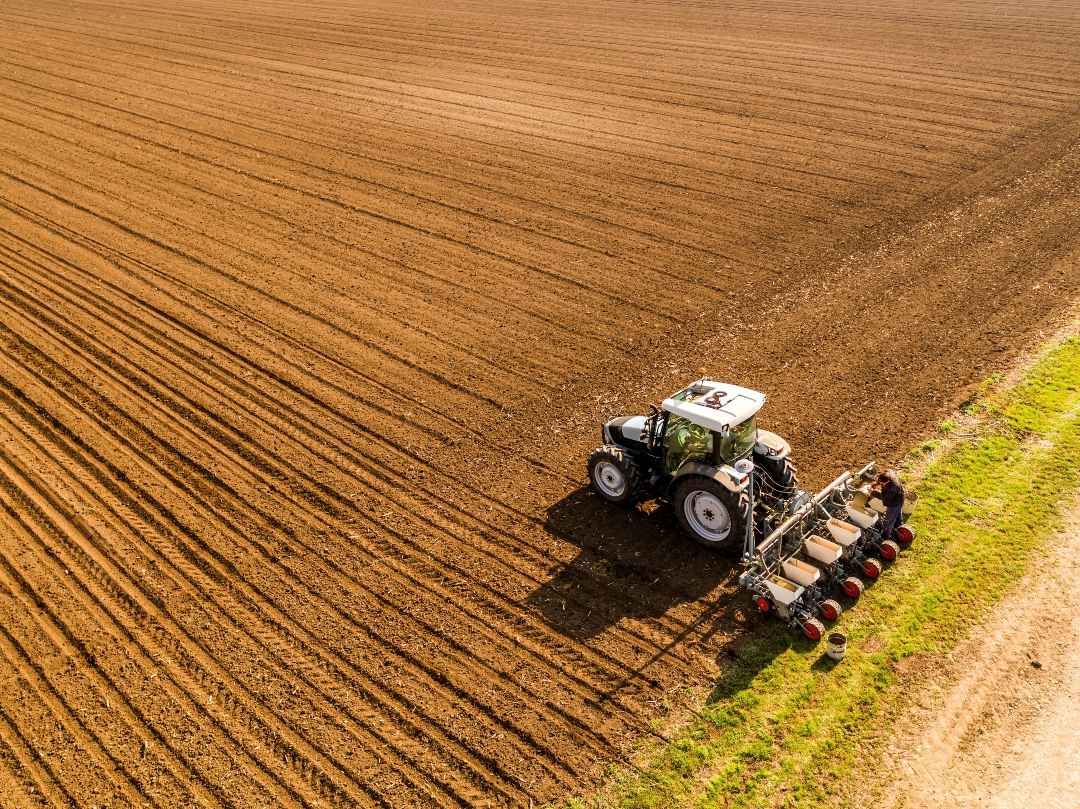
4. Develop a Planting Plan
A good field-by-field planting plan will prevent decisions from having to be made in the cab and last-minute second-guessing. This goes a long way to reducing stress when the work really heats up. A clear plan will identify each field as crop, hybrid or variety, the target population, planting depth and any special considerations, such as residue levels or drainage concerns. Decide planting order ahead of time based on soil type and typical dry-down times for each crop.
Again, stress reduction comes into play here. Weather changes have the habit of creating a lot of anxiety. But weather changes are a fact of life — and planting. A good, solid plan will eliminate the need to rethink every decision. It will keep the operation moving and ensure the right crop goes into the right field at the right time.
5. Run a Full System Test
Planting efficiency isn’t just about the planter. It’s about keeping the planter — and the operation — moving. Stage the seed, fertilizer and chemicals nearby where they’ll be used, whenever possible. Clearly label seed by field or planting order so mistakes don’t happen when days get long. Confirm delivery schedules and make sure backup supplies are available for priority acres.
One of the last things to do before the real planting day — and also one of the most important — is to do a short but full test run. Think of it as a dress rehearsal. Check monitor readings, seed delivery, row performance and turnaround times. One short test can uncover issues that can be addressed and fixed without the pressure that would otherwise cost half a day after the real planting begins.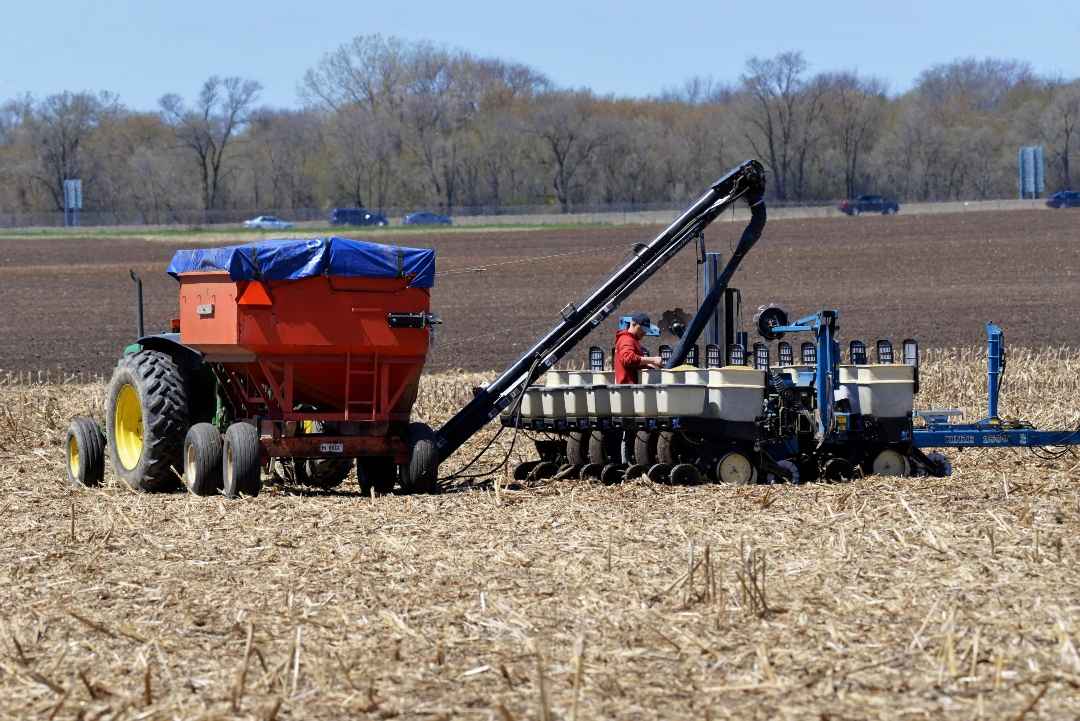
Planting season can at times be a heartless taskmaster. It rewards preparation and efficiency but punishes guesswork and shortcuts. The operations that take time to calibrate, maintain, plan and test are the ones that can move when the window opens, stop when conditions aren’t right and keep moving throughout the entire operation.
Planting efficiency isn’t about speed or out-planting everyone else. It’s about planting accurately, protecting yield and keeping costs under control, especially in a year when costs are already tight and every decision matters. Do the prep work now, and then let the planter do its job when it really counts. Remember, sow efficiently and reap bountifully.