Mid-Year Equipment ROI
Mid-Year Is Your Honest Check-In
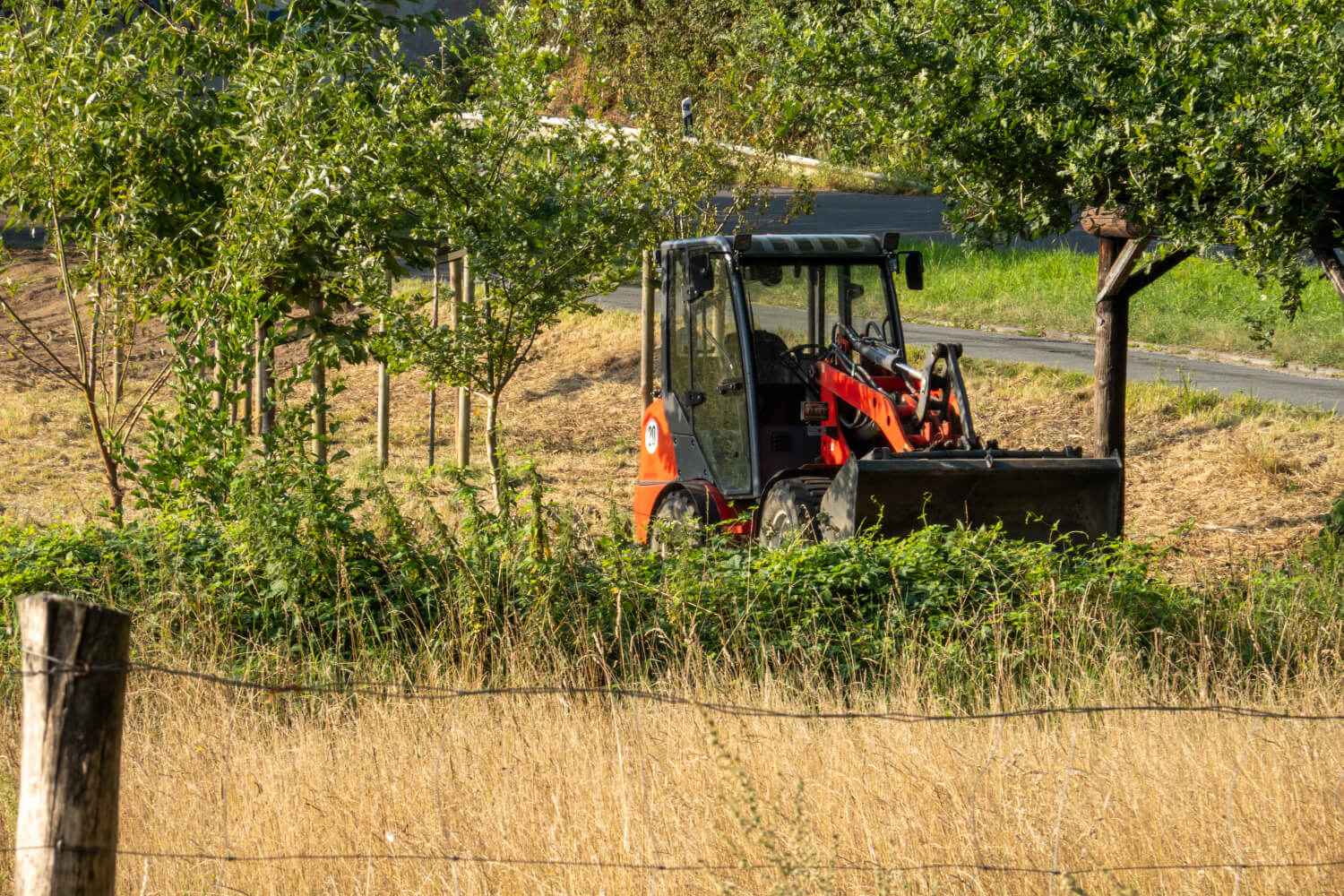
By the time summer hits full stride, most farmers have a gut sense of which machinery purchases were worth it. The new baler that kept hay moving through a tight weather window? Probably earning its keep. The fancy attachment that's been parked in the shed since April? That one's harder to defend.
Mid-year is when the receipts start to make sense, and it's the perfect moment to ask an honest question: which equipment investments are truly delivering value, and which ones are tougher to justify?
Why Mid-Year Is the Right Time to Look
Spring and early summer push equipment hard. Planting, spraying, first and second cuttings and the daily grind of livestock chores all stack up fast. That workload reveals strengths and weaknesses in a hurry. A machine that struggled through planting won't suddenly redeem itself in July.
Checking in now also gives you time to act before harvest and before you start eyeing fall purchases. Waiting until December means making decisions on memory and emotion. Reviewing at the halfway mark lets you use fresh, real-world performance data while you can still adjust.
What ROI Really Means on the Farm
Return on investment (ROI) isn't just about dollars coming back. For most operations, it shows up in several ways:
- Direct financial return through better yields or new revenue
- Labor savings that free up hours
- Fuel efficiency that trims operating costs every time the engine runs
- Less downtime and fewer breakdown-related delays
- Lower repair bills and reduced reliance on custom work or rentals
The Iowa State University Extension publication “Estimating Farm Machinery Costs” (PM 710, revised March 2026) offers a helpful way to think about this. It splits machinery costs into two buckets: ownership costs, such as depreciation, interest, taxes and housing, which happen whether you use the machine or not, and operating costs, such as fuel, repairs and labor, which rise with every hour of use. A purchase only pays off when the value it creates outpaces both. That framework is worth keeping in mind as you evaluate each piece of iron in your yard.
What "paying off" looks like also depends on your operation. A 4,000-acre row crop farm and a 60-head cattle operation will measure success very differently.
Jenifer Hunter, an industry expert specializing in chainsaws, power tools and outdoor equipment, says the most practical way to measure ROI is to connect equipment performance directly to labor, downtime and output.
"Track labor hours saved per task against pre-purchase baselines, converting those hours into equivalent wage costs to quantify savings. Monitor downtime incidents and repair frequency, as reliable tools minimize lost operational days during critical windows such as harvest preparation. Assess overall property productivity metrics, such as acres cleared or maintained per week, to link equipment performance to broader farm efficiency," says Hunter.
Equipment Categories That Tend to Pay Off Quickly
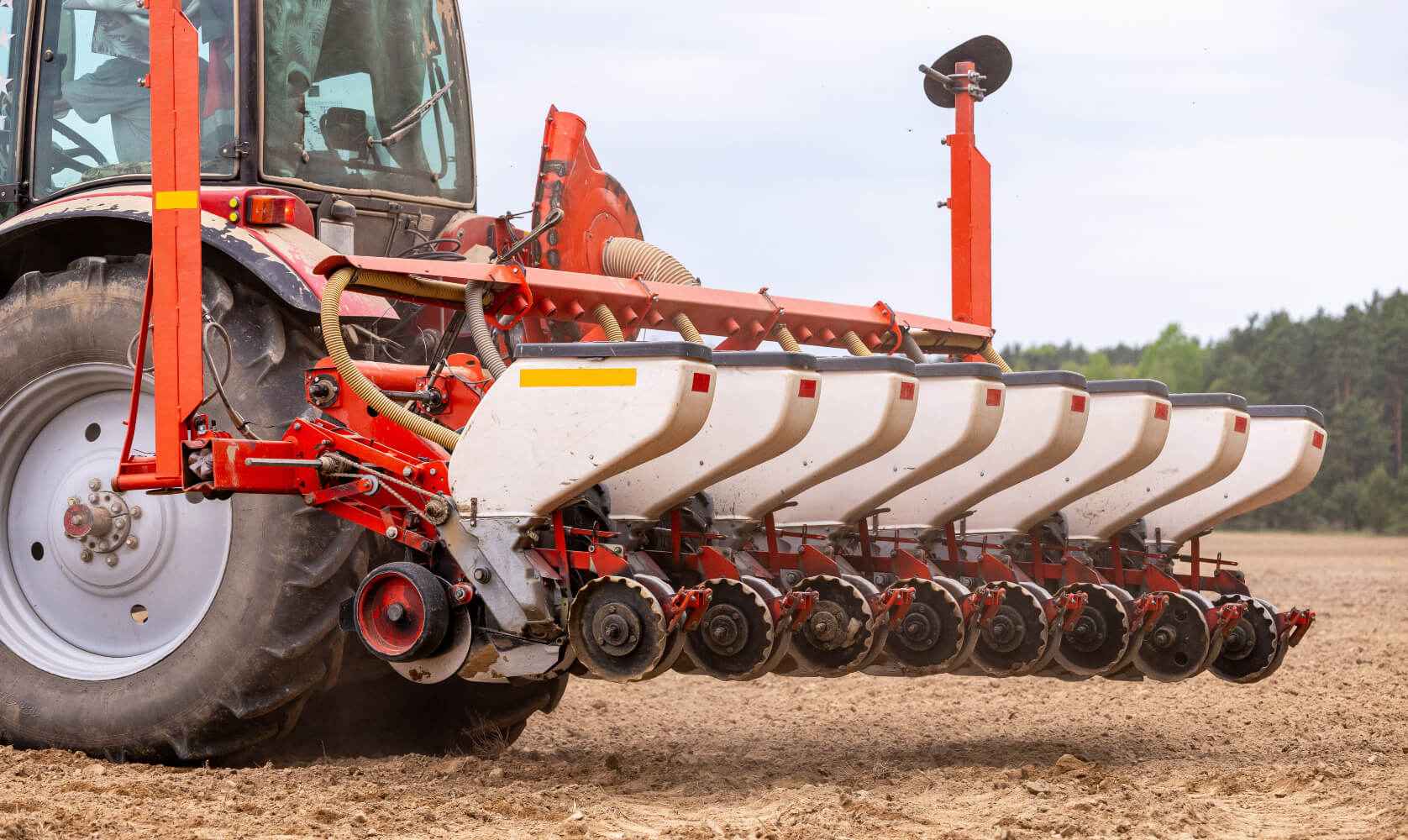
Precision ag technology often shows the fastest returns. GPS guidance and auto-steer cut overlap, reduce operator fatigue and save inputs on every pass. Variable-rate application tools and yield monitors sharpen your decisions and stretch your seed and chemical dollars.
Hay and forage equipment earns its value during narrow weather windows. A reliable mower, baler, tedder or rake that lets you bale dry hay before a storm protects both quality and your bottom line.
Livestock labor-saving tools pay off through time and safety. Automated feeders, watering systems, better handling equipment and ventilation upgrades reduce daily chore hours and can improve animal performance.
Utility and multi-purpose equipment, such as skid steers, loaders and compact tractors, spread their value across dozens of jobs. The more tasks a machine handles, the easier the math.
Irrigation and water management tools return value through water savings and crop protection, especially in a dry year.
Hunter says smaller-scale equipment can deliver meaningful ROI by reducing labor and speeding up recurring farm tasks. "Equipment such as high-efficiency chainsaws and brush-cutting power tools often demonstrates clear ROI by mid-season when used for land clearing, fence-line maintenance and wood processing tasks. These tools reduce manual labor hours significantly in operations where seasonal vegetation growth creates bottlenecks. Producers who integrate battery-powered models into daily workflows typically report faster task completion and lower fuel dependency compared to older gas models, translating directly into productivity gains during peak growing periods." According to Hunter, handheld tools often justify themselves faster than larger outdoor equipment purchases.
Where the Experts See the Clearest Wins
Megan Kenna, director of external communications at AGCO Corporation, points to two categories where precision ag delivers the quickest returns.
"Precision ag investments with the quickest ROI generally fall into two categories. First, input-saving technology. Swath control products that shut off individual nozzles, knives or rows based on prior application or pre-season boundary maps are the most straightforward, and the more irregular the field, the greater the savings. On the sprayer side, SymphonyVision from PTx Precision Planting uses AI-powered cameras to identify weeds in milliseconds and spray contact herbicide only where needed, potentially saving significant herbicide costs,” says Kenna. A typical farm could see payback in about two seasons.
“Second, yield-enhancing technology. The clearest mid-season ROI comes from planter technologies that improve emergence uniformity. Seed firmers, automated downforce control, improved row cleaners and closing systems all help place each seed in consistent conditions, maximizing yield potential,” says Kenna.
Signs a Machine Is Earning Its Keep
You can usually tell when a purchase is working. It's used often across multiple tasks. It has cut your labor hours or reduced reliance on hired help. Breakdowns and delays have dropped. Your output is more consistent. And it helps you finish work faster when timing matters most.
On the flip side, watch for warning signs. A machine that sits idle too much, one that's oversized or undersized for your operation or a piece racking up surprise repair bills is dragging on your return. Tech features that are too complicated to use fully are another red flag. So are purchases made for convenience that never translate into measurable savings.
Hunter says one of the biggest mistakes producers make is evaluating equipment too narrowly at the point of purchase. "A frequent error is focusing solely on initial purchase price without accounting for total ownership costs, including maintenance parts and operator fatigue that can indirectly affect output. Another is neglecting to establish baseline performance data before acquisition, which makes it difficult to isolate the equipment's true contribution. Producers also sometimes overlook compatibility with existing farm workflows, leading to underutilization that delays ROI realization."
Upfront Cost Against Long-Term Value
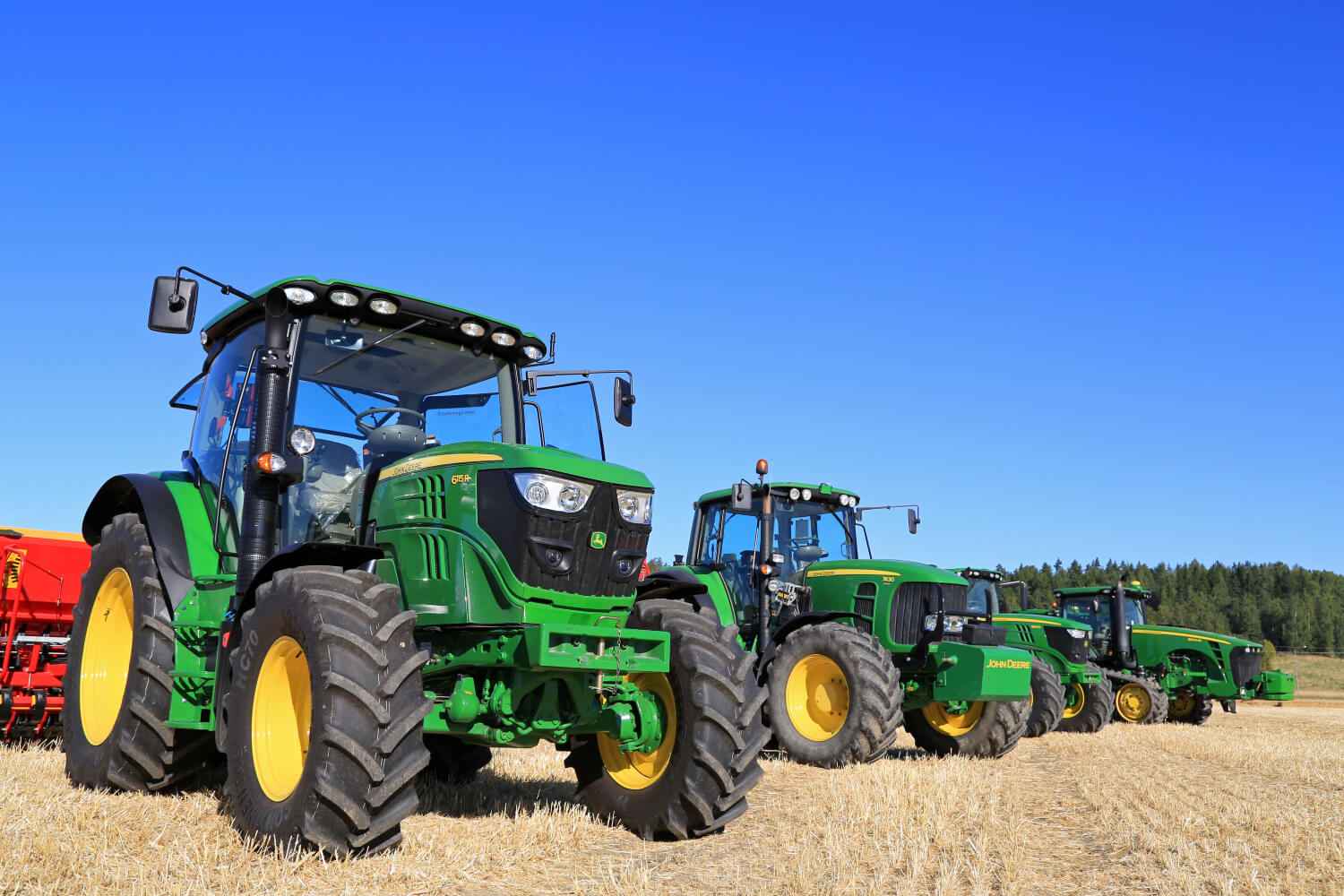
The cheapest option isn't always the smartest one. Hunter says the best equipment decisions weigh upfront cost against durability, service access and long-term efficiency gains. "Farmers should prioritize tools with proven durability ratings and accessible service networks, even if the upfront investment is higher, because consistent performance across multiple seasons outweighs short-term savings.”
Smarter Decisions for the Second Half
Track your machine hours and maintenance costs so you're judging on data, not gut feel. Compare labor savings against your payments. Consider whether a new attachment or upgrade could squeeze more value from equipment you already own. Rent before you buy when you're unsure. And above all, match purchases to your real bottlenecks rather than chasing features.
Mid-year is your honest checkpoint. The best investments solve real problems, save time and improve efficiency. Use what you're learning right now to make sharper purchasing calls for the rest of this season and the next.