How To Protect Your Farm Equipment Investment With the Right Storage Setup
Extend Machinery Lifespans & Reduce Long-Term Costs
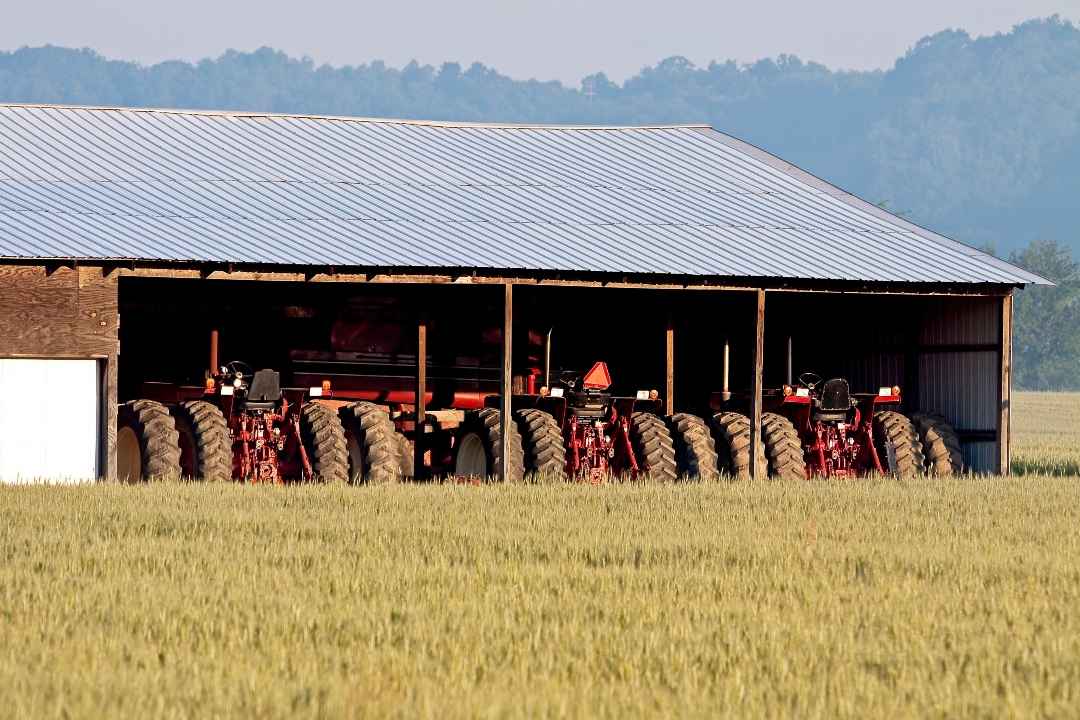
Farm equipment represents one of the most significant investments an operation will make. From tractors and combines to attachments and specialized implements, these assets are essential to productivity and profitability.
Yet too often, they’re left exposed to the elements or stored improperly, accelerating wear. The right storage setup plays a direct role in protecting equipment, extending its lifespan and reducing long-term costs.
Why Storage Matters More Than You Think
Exposure is one of the biggest threats to farm equipment. Sun, moisture, temperature swings and airborne debris all contribute to gradual deterioration. UV rays can fade paint and degrade rubber components, while moisture leads to rust, corrosion and electrical issues. Over time, even minor exposure can compound into costly repairs or premature replacement.
Proper storage creates a controlled environment that shields equipment from these factors. When machinery is protected from constant weather exposure, it maintains its structural integrity and operates more reliably. This translates into fewer breakdowns during critical seasons and less downtime when timing matters most.
Designing a Shelter That Works
Not all storage is created equal. A well-designed structure should account for both current equipment and future growth. Adequate clearance is essential, especially for larger or taller machinery, and wide entry points make it easier to move equipment in and out without risk of damage.
Durability is another key consideration. Steel structures are often preferred in agricultural settings because they can withstand harsh weather conditions and require less maintenance over time. This is where experienced builders of agricultural and government metal buildings can come into play, offering a balance of strength, cost-efficiency and long-term performance for operations looking to scale their infrastructure.
Beyond materials, layout matters. Organizing equipment by frequency of use helps streamline daily operations. Frequently used machinery should be easily accessible, while seasonal equipment can be stored deeper within the structure. Thoughtful planning reduces unnecessary movement, saving both time and fuel.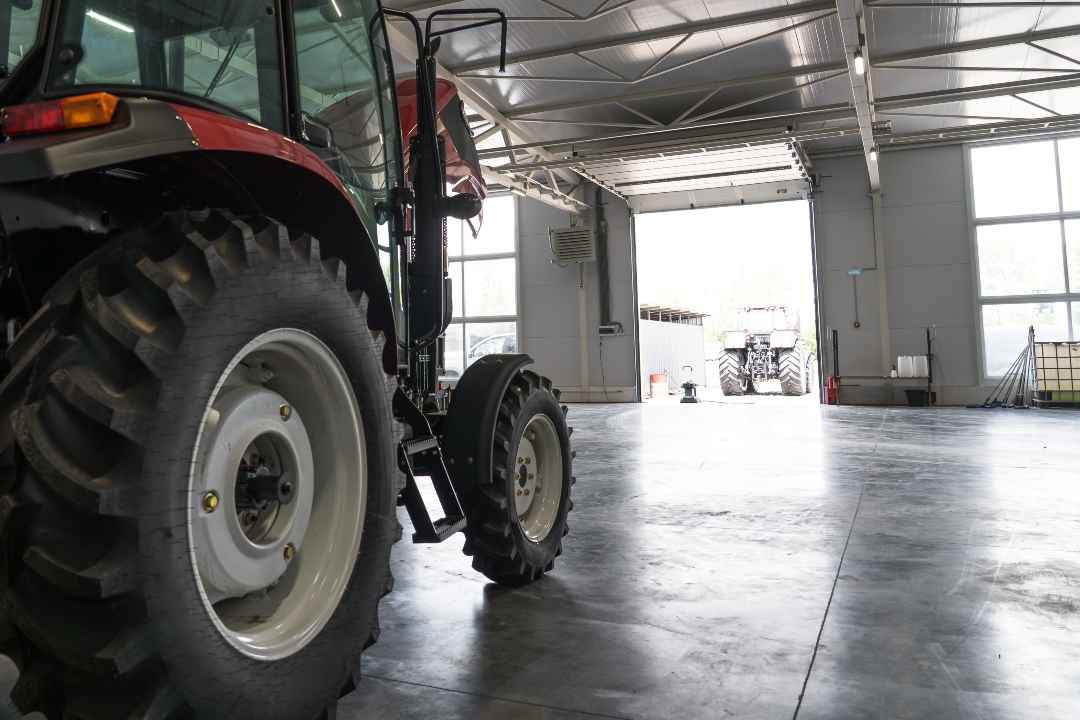
The Role of Ventilation & Moisture Control
A common misconception is that simply putting equipment under a roof is enough. In reality, poor ventilation can create its own set of problems. Trapped moisture leads to condensation, which can be just as damaging as direct exposure to rain or snow.
Proper airflow helps regulate humidity levels and prevents condensation from forming on metal surfaces. Ridge vents, sidewall openings and strategically placed doors can all improve air circulation. In some cases, adding fans or passive ventilation systems can further enhance airflow, especially in larger structures. Consistency in storage conditions helps preserve sensitive components such as hydraulics, electronics and seals, which can degrade more quickly when exposed to fluctuating temperatures and moisture. This level of protection reduces unexpected failures and helps ensure that equipment performs as expected season after season.
Flooring also plays a role in moisture control. Gravel or concrete bases help prevent ground moisture from seeping into the storage area. Keeping equipment off bare soil reduces the risk of rust and makes the space easier to maintain overall.
Organization That Supports Longevity
Proper storage takes care of equipment when it’s not in use. Cluttered or overcrowded spaces increase the likelihood of accidental damage. Tight quarters make it harder to maneuver machinery safely, which can lead to dents, scrapes or worse.
Creating designated zones for different types of equipment helps maintain order. Attachments, tools and smaller components should have their own storage solutions, such as racks or shelving. This not only protects them from damage but also makes it easier to locate what you need when it’s time to get to work.
Routine maintenance is also easier when equipment is stored properly. A clean, organized environment encourages regular inspections and upkeep, helping operators catch minor issues before they turn into major problems.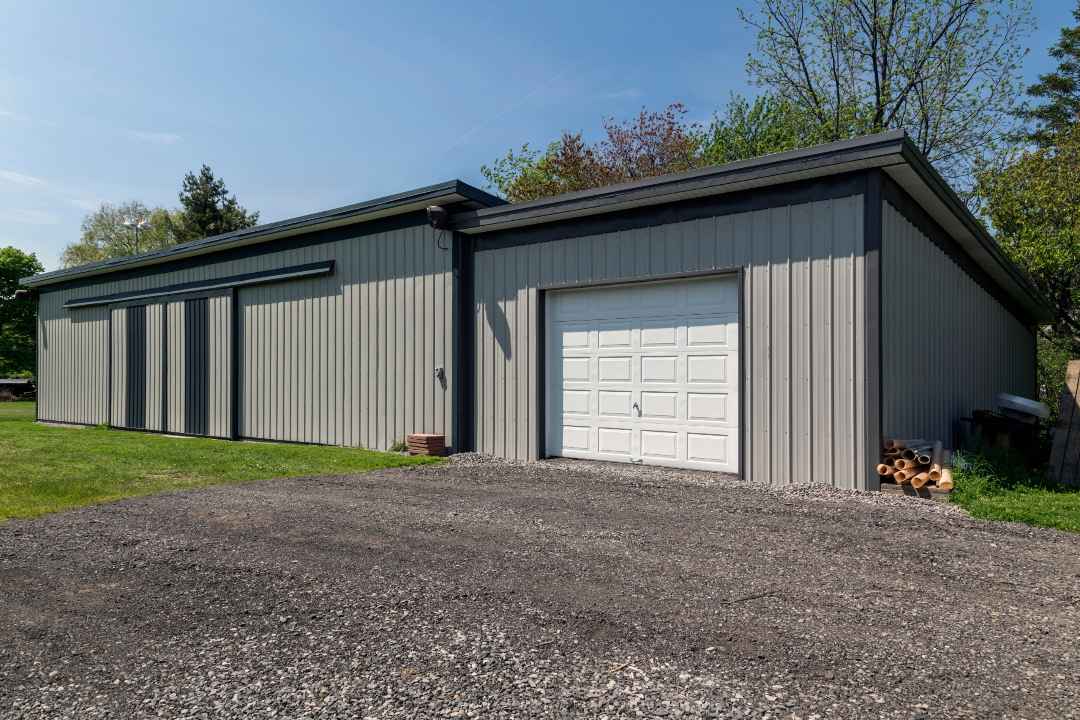
Long-Term Value & Operational Efficiency
Investing in the right storage setup is ultimately about protecting the value of your equipment. Well-maintained machinery holds its value longer, performs more consistently and requires fewer costly repairs. Over time, these benefits add up, improving the overall efficiency of your operation.
Reliable equipment also means greater confidence during peak seasons. When machinery is stored properly and maintained in a controlled environment, it’s ready to perform when you need it most. That reliability can make a meaningful difference in productivity and profitability.
Protecting your farm equipment doesn’t require constant attention, but it does require the right foundation. A thoughtfully designed storage setup – one that accounts for durability, ventilation and organization – can extend the life of your assets and support your operation for years to come.
About the Author
Seth McBride is the president of Steel Craft Builders, a company specializing in the design, supply and construction of pre-engineered metal buildings across Central Florida. With experience in business ownership since his early twenties, McBride focuses on delivering tailored building solutions for commercial, agricultural and industrial projects of varying sizes. In addition to his work with Steel Craft Builders, he is also involved in Marion Development, a company holding a commercial general contractor license.