Efficiency Over Excess
Managing Fertilizer & Fuel Costs as Uncertainty Grows
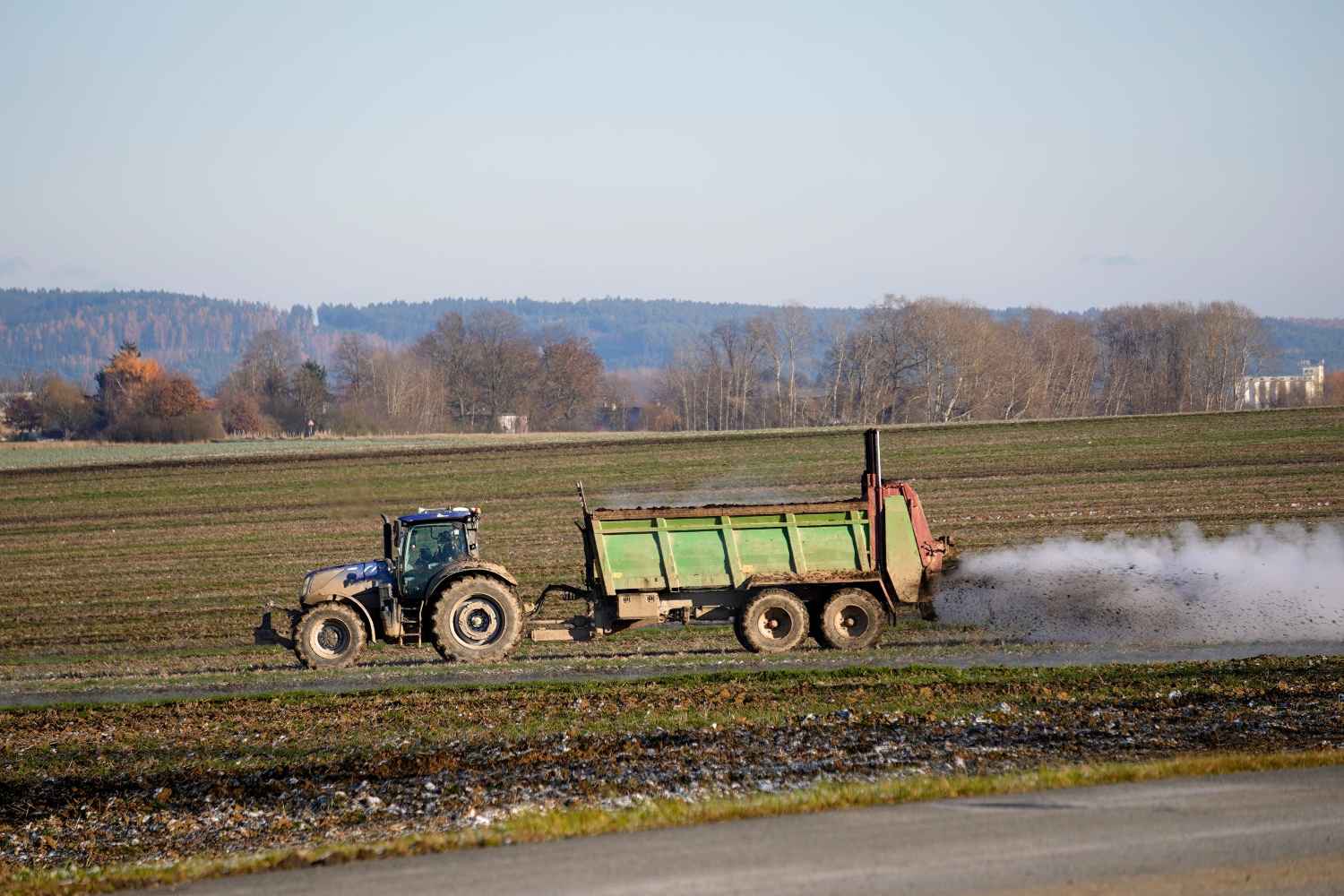
Farmers have always had a love/hate relationship with the weather and the cost of doing business. That volatile relationship has been exacerbated in recent years by unpredictable weather, bordering on the bizarre, as well as tariffs and other costs that are just as unstable. Using time and money wisely is more crucial than ever. In this article, we will offer some practical steps to stretch already tight input budgets as well as tips on how to use the latest in precision tools and to use them more effectively. Let’s start with fertilizer.
Maximum Yield to Maximum Efficiency
The last few years have required a mind shift. Whereas “maximum yield” had been the prime target for managing fertilizer for generations, the catchphrase now is “maximum efficiency” because there is little or no wiggle room any longer. In order to accomplish maximum efficiency and boost return on investment (ROI), the following strategies have proved quite beneficial.
- Conduct regular soil testing: Reduce unnecessary applications by conducting regular soil sampling to determine actual needs.
- Try split applications: Rather than applying fertilizers all at once at the beginning of the growing season, split the applications up into smaller, targeted doses throughout the season, thereby reducing nitrogen loss through leaching and volatilization.
- Use VRA technologies: Instead of applying fertilizer at a standard rate, use the variable rate application (VRA) method according to soil variability.
- Employ nutrient management: Increase nutrient efficiency of crops by employing stabilizers, inhibitors and slow-release fertilizers.
- Improve nutrient retention: Use of cover crops and no-till practices will boost organic matter and lead to overall soil health improvement.
Managing Fertilizer Costs
There is little room for making anything but wise decisions nowadays. Employing these decision-making strategies will prove very cost-effective in the short term as well as the long run.
- Use enterprise budgets: Develop detailed budgets for each enterprise crop to determine which crops are the most profitable, considering the high cost of nutrients.
- Monitor cost per pound, not per ton: Calculate the actual cost per pound rather than the cost per ton and then compare nutrient sources (urea vs. ammonium sulfate, for example).
- Analyze fertilizer-to-crop ratios: When fertilizer prices are high, it may be prudent to slightly reduce application rates. It may turn out that the last few bushels of yield may exceed their market value.
Supply and price volatility are facts of life, but that doesn’t mean that nothing can be done about them. They can’t be eliminated, but they can be managed with a little research and due diligence.
- Diversify sources: As geopolitical risks now impact fertilizer availability more than ever, work with suppliers to monitor the market and secure your supplies.
- Time purchases: Keep an eye on market trends and buy when prices are lower. Keep in mind that, because trends are so volatile, this will require careful financial planning well in advance.
- Use alternative fertilizers: Consider integrating other types of fertilizer, such as manure or poultry litter, if they are available in your area, in order to reduce reliance entirely on commercial fertilizer.
Fuel Consumption to Fuel Control
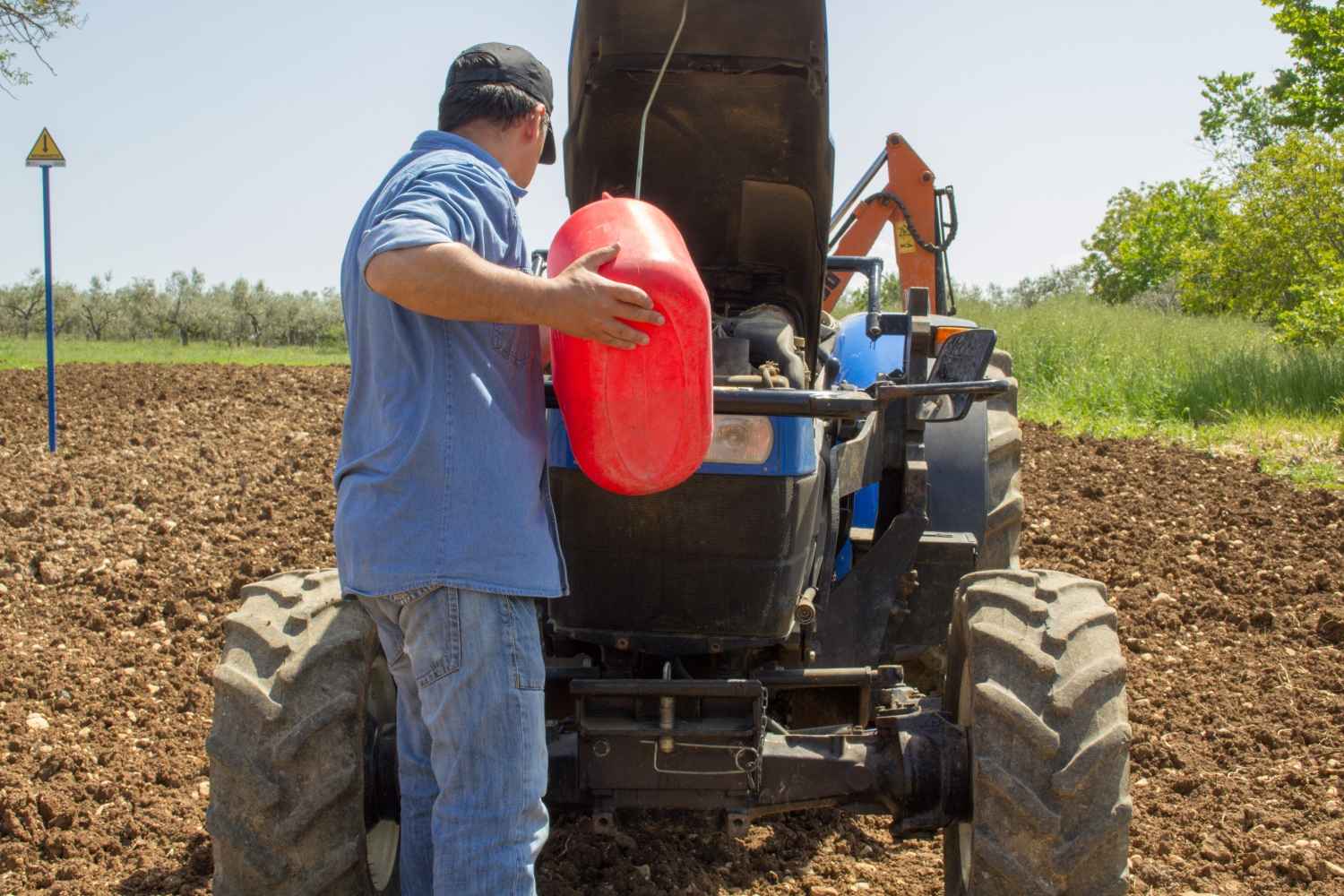
Now let’s take a look at fuel input costs. Controlling fuel input costs is critical for farmers facing high operating expenses and fluctuating commodity prices. With energy costs remaining high, particularly for diesel and propane, farmers are adopting strategies to reduce consumption and maximize efficiency. Let’s look at a few of them.
- Utilize no-till farming methods: Also known as reduced-tillage or strip-till, these methods significantly reduce fuel consumption by cutting down or eliminating unnecessary passes between harvesting and planting.
- Combine operations: Minimizing passes through a field by combining operations (spraying while planting, for example), will cut down on fuel usage.
- Regular maintenance: Vehicle maintenance has always been closely connected with fuel efficiency. Replacing filters, maintaining proper tire pressure and using the right equipment for the job ensures peak efficiency.
- Use available technology: Utilizing precision agriculture tools (such as GPS guidance) minimizes overlaps during planting and harvesting, reducing the total time in the field.
Managing Fuel Costs
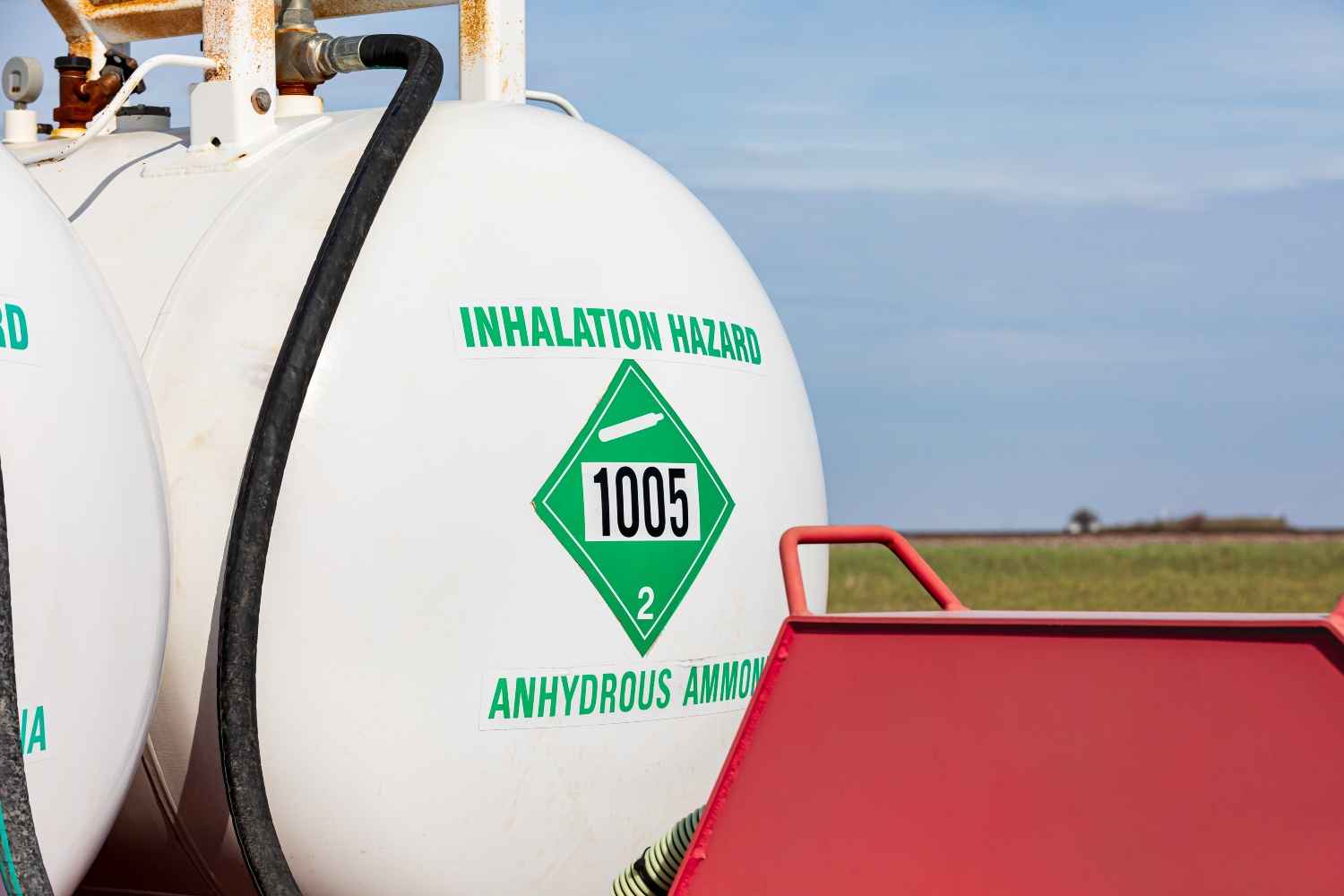
Although still at the mercy of volatile fuel prices and availability, farmers do not need to simply sit still and allow these factors to severely impact their bottom line, unabated. As with fertilizer costs, fuel costs can also be managed. Here are some suggestions.
- Forward contracting: Hedge your fuel by working with suppliers to lock in fuel prices for the upcoming season. This can help manage the volatility of the market.
- Plan strategically: Scheduling fuel-heavy tasks (such as grain drying, for example) during periods of lower energy prices, when possible, can help reduce costs.
- Consider alternative energy sources: Investing in fuel-efficient machinery or exploring alternative fuel sources for farm operations may involve a larger initial outlay of funds, but could ultimately pay dividends in the long run. These alternatives allow farmers to produce their own fuel, enhancing sustainability and reducing input costs. Let’s look at a few of them.
- Electric tractors and equipment: Battery-powered rechargeable tools and tractors that are designed for tasks such as plowing and mowing, offer lower maintenance and noise reduction.
- Hydrogen fuel cells: Fuel cells provide electricity for machines and emit only water vapor. They are suitable for heavier machinery with increased efficiency.
- Biofuels: Biodiesel and ethanol, which are derived from vegetable oils or animal fats, can be used in existing diesel engines without significant modifications.
- Solar-powered machinery: Solar panels can power small automated vehicles, irrigation systems and charging stations for electric equipment.
- Compressed natural gas (CNG): A cleaner burning alternative to diesel that can be retrofitted onto existing tractors.
Planning fuel and fertilizer input costs allows farmers to lock in lower prices during market dips, optimize application rates and significantly increase profit margins — often saving more than $20 to $30 per acre. These strategies provide a hedge against volatility, minimize waste and improve overall operational efficiency.