Dealing with Drought
Learning from Mortimer Farms
There is no doubt that our environment is changing. The entire country is experiencing unpredictable weather, with drought being a real possibility in areas not prone to such conditions.
Currently, where I live in New Hampshire, we are in the middle of a drought, despite the amount of snow sitting on the ground. Last year (2025) was the state’s most severe drought season ever recorded. The way things are going, it is not going to get better soon.
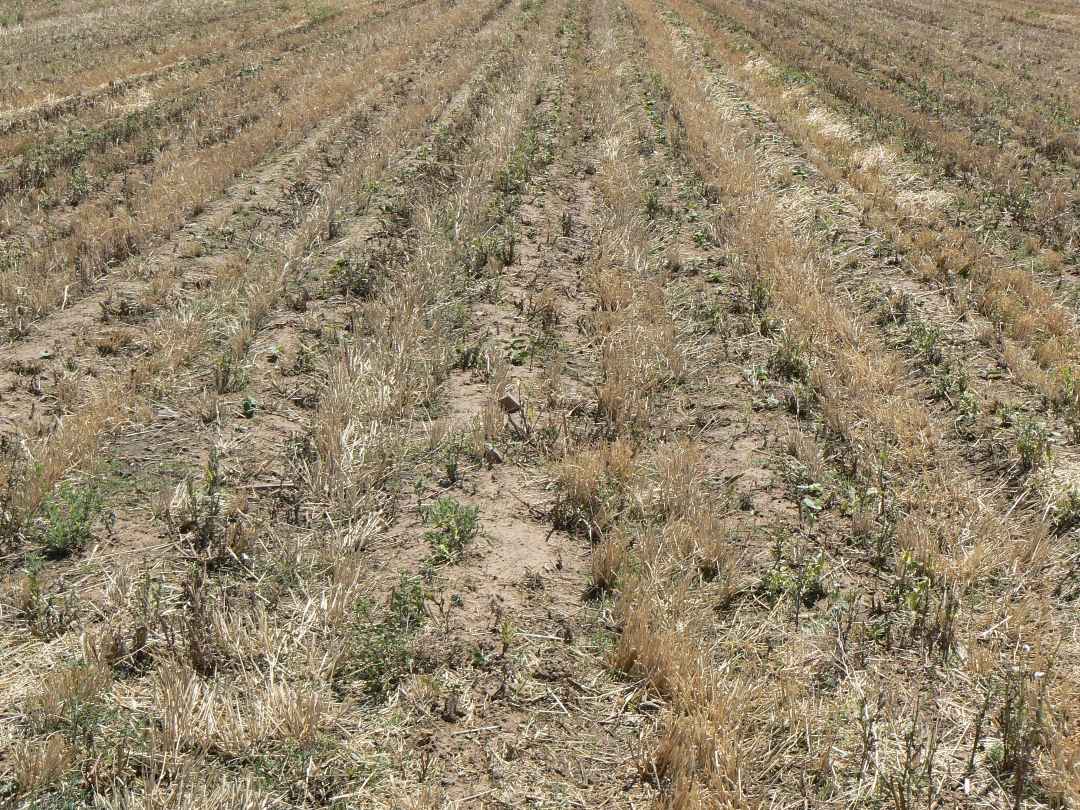
Last year’s record heat left many wells dry and fields unplantable. Those who did manage to get crops in lost most of them. The question here is, “What can we do?” That is what I will focus on in this article.
Ask the Experts
While I am not a commercial grower, I do have gardens that produce food for my family and friends. As others have, I have watched the fruits of my labor shrivel on the vine this past year and wondered what I could do about it. It is hard to watch your crops die and your well run dry while at the same time there seems to be enough water for people to keep their lawns perfectly green and their cars washed. There has to be a way to move forward.
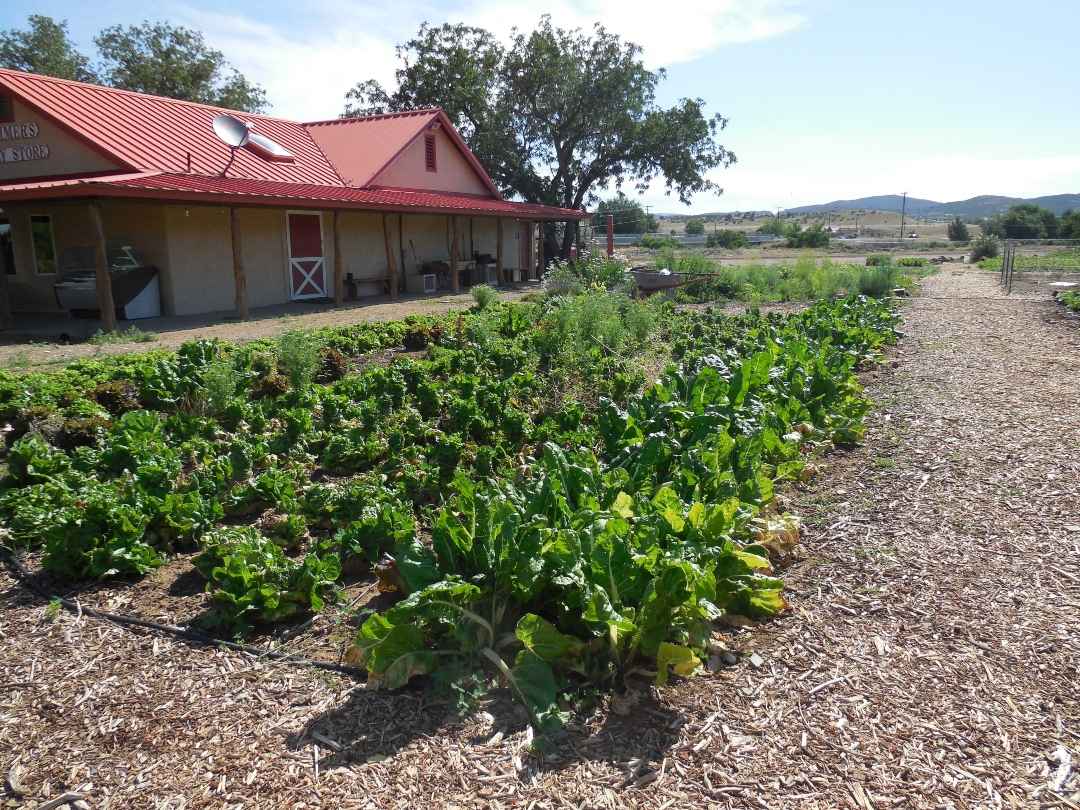
About 10 years ago, I visited Mortimer Farms in Dewey, Arizona, not too far from Prescott and Sedona. The farm encompasses 324 acres along the banks of the Agua Fria River, where they grow a variety of crops in a less-than-forgiving area.
Dewey, Arizona, is considered to be a high desert. That means they get all of their rain at one time of the year. Everything revolves around water storage and water retention. New Hampshire was experiencing a “rare” drought, and I wanted to know how to handle it. Little did I know that the information I gathered would be vital now.
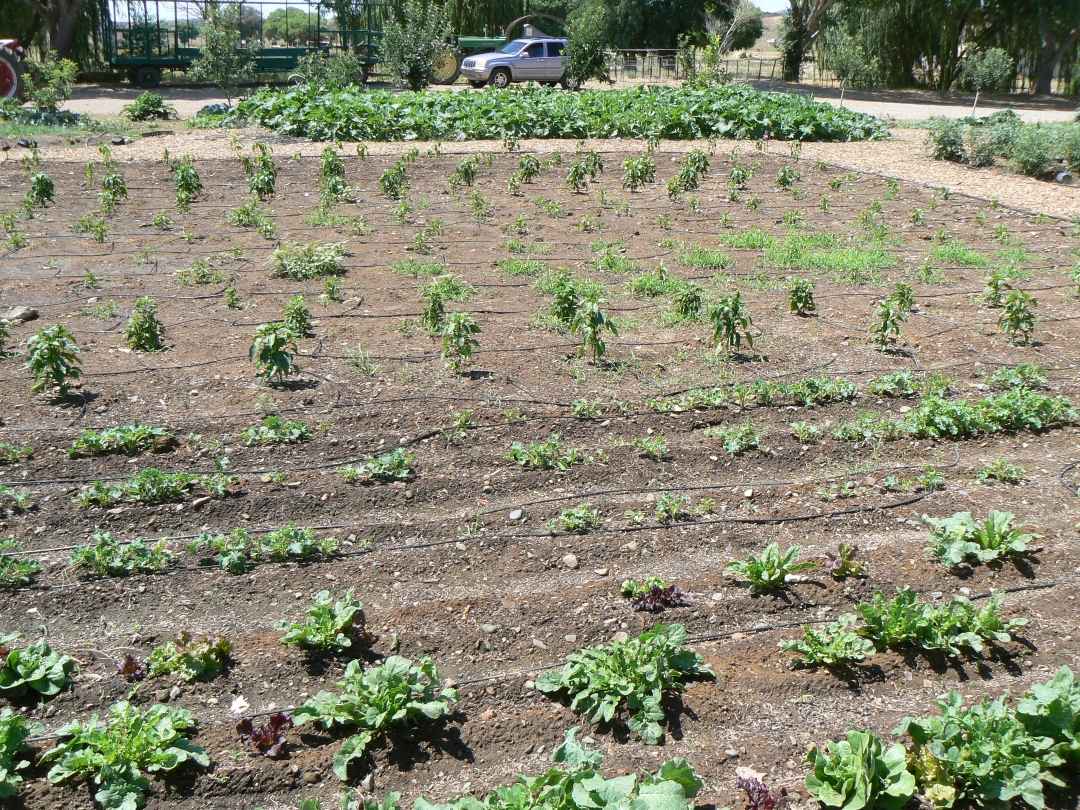
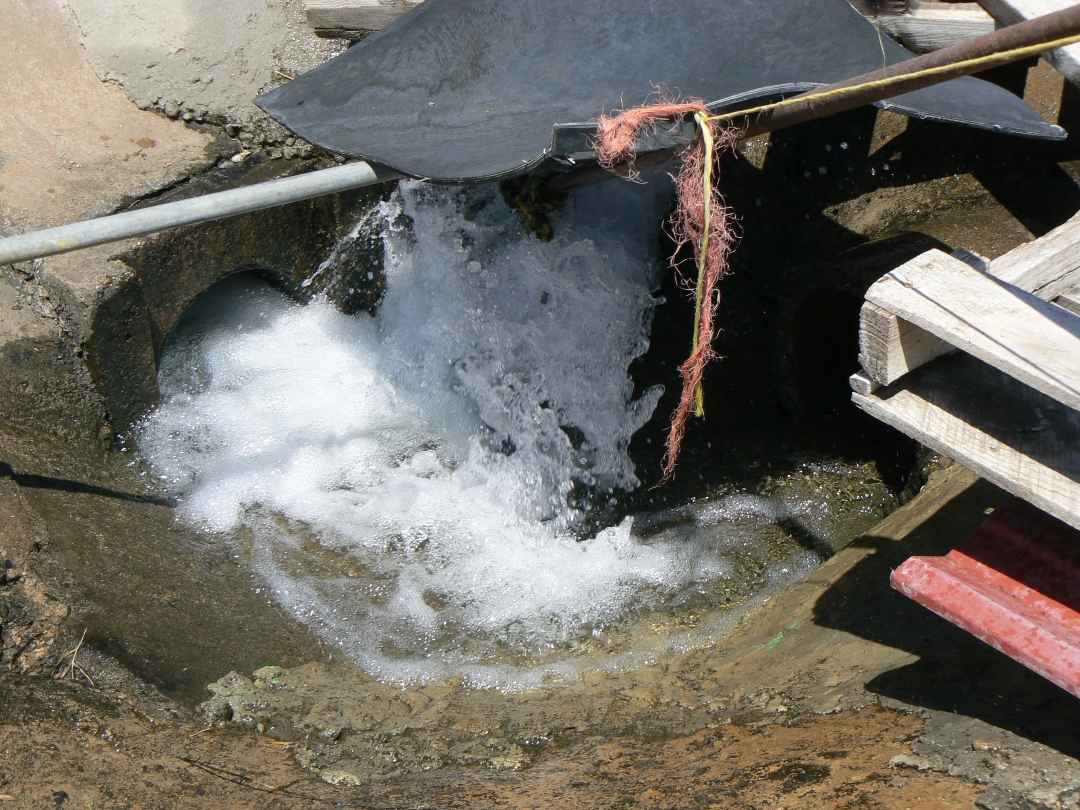
Similar to most farms, Mortimer Farms has wells from which to draw water, but they rely on rain to keep those wells full and to aid in watering their fields. Throughout the property, numerous holding ponds trap rainwater, and when it is not raining, those ponds are recharged with well water.
It is from these ponds that water is transported to the fields that need it, using an extensive hose system. Each field has trenches between the rows to allow rainwater to seep to the roots where it is needed the most.
Mortimer Farms uses water conservation methods such as pivot and drip irrigation, which use considerably less water than traditional sprinkler systems. The farm also uses cover crops, crop rotation and compost to keep the soil healthy, as science has proven that healthy soil will hold water and prevent runoff.
Water retention is vital. To help with evaporation, Mortimer Farms has strategically located its planting fields within groves of trees; the trees’ shade keeps the area remarkably cooler and helps prevent rapid evaporation.
Lastly, organic mulch surrounds the plants and even the walkways between the rows, all in an effort to keep the water in the soil where it is needed.
Addressing Drought on the Benner Homestead
Back in New Hampshire, I took what I had learned and put it into action. While my situation is different and there was no way to replicate exactly what was being done at Mortimer Farms, there were variations I could implement. My first goal was water collection.
Even though collection ponds were out of the question, I did set up a water collection system using items I had on hand.
Using a recycled food-grade pickle barrel and assorted tubing, I devised a way to catch the water running off the roof of my home. I also began collecting the water created by my dehumidifiers and air conditioners. In a single day, the dehumidifiers produced three gallons of water. In addition, I collected the “gray” water, which is the water used in the shower or sink.
Water retention was the next issue addressed. Slowly, I began replacing water-demanding grass with more native trees and shrubs. I allowed some areas to naturally “re-wild”. Annual flowers were replaced with native perennials, which require less water and less overall care. Lastly, I put two to four inches of organic compost mulch around all of the plants and used wood chips in the rows.
Are these implements the answer to our water issues and how we deal with drought? Not by a long shot, but farmers everywhere are adapting to the changing conditions.
My visit to Mortimer Farms showed me how proper land and water management can go a long way toward helping us deal with drought.
About the Author
Dana Benner has been writing about the outdoors, sustainability and the environment for more than 35 years. His written work appears in Grit, Mother Earth News, Countryside & Small Stock Journal and others.