Avian Influenza Detected in Iowa Backyard Flock
H5N1 avian influenza was detected in a Boone County, Iowa, backyard flock, marking the state's seventh bird detection in 2026.
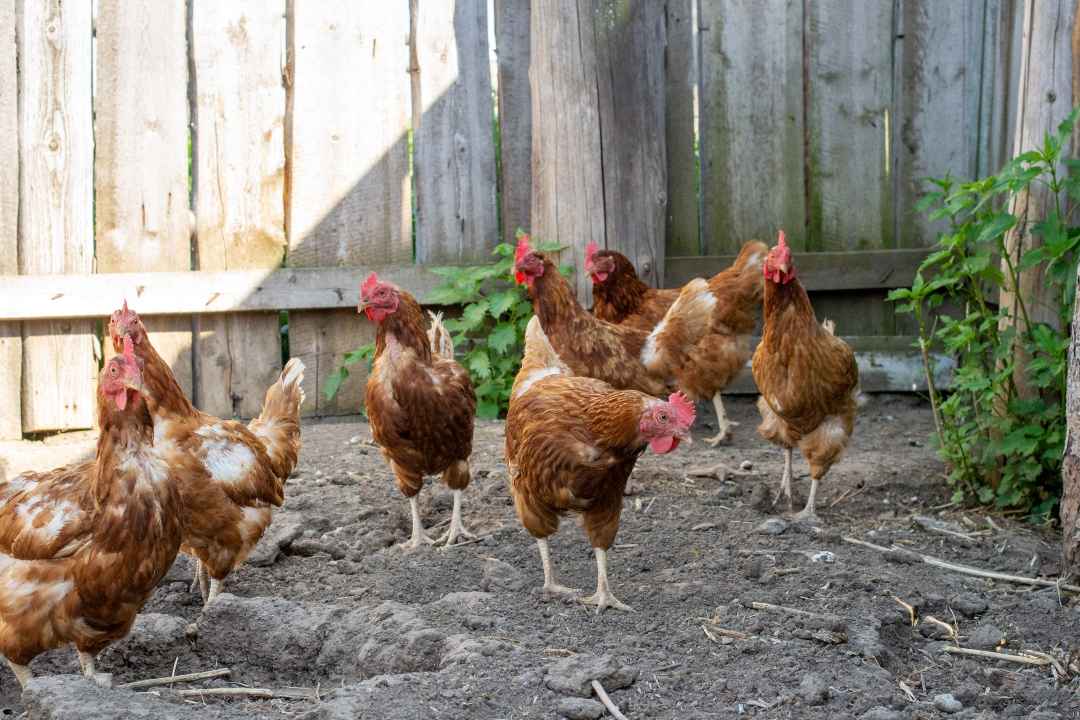
The Iowa Department of Agriculture and Land Stewardship and the U.S. Department of Agriculture's Animal and Plant Health Inspection Service (APHIS) have confirmed highly pathogenic avian influenza (H5N1 HPAI) in a multispecies backyard flock in Boone County, Iowa.
Announced September 22, the detection is the state's seventh H5N1 case in birds in 2026.
H5N1 is a viral disease that affects wild and domestic birds. Wild birds can carry the virus without showing signs of illness, while infections are often fatal in domestic poultry, including chickens and turkeys.
Biosecurity & Signs of Infection
The Iowa Department of Agriculture and Land Stewardship is urging commercial poultry producers and backyard flock owners to strengthen biosecurity practices to protect their birds.
Possible clinical signs of H5N1 HPAI in poultry include:
- A sudden increase in bird deaths without prior signs of illness
- Lethargy, low energy, or reduced appetite
- Decreased egg production
- Soft, thin-shelled, or misshapen eggs
- Swelling of the head, eyelids, comb, wattles, or hocks
- Purple or blue discoloration of the wattles, comb, or legs
- Difficulty breathing
- Coughing, sneezing, or nasal discharge
- Stumbling or falling
- Diarrhea
Poultry producers and backyard flock owners who suspect infection should contact a veterinarian immediately. Suspected cases must also be reported to the Iowa Department of Agriculture and Land Stewardship at 515-281-5305.
The department provides biosecurity resources on its website.
Guidance for Wild Birds & Food Safety
The Iowa Department of Natural Resources asks people who find five to 10 or more sick or dead wild birds in a small area to report the findings to local DNR wildlife management staff.
The state also says eggs and poultry products remain safe to eat when handled and cooked properly. Consumers should cook poultry and egg dishes to an internal temperature of 165 F.
The Centers for Disease Control and Prevention continues to assess the risk to the general public as low. Questions about public health should be directed to the Iowa Department of Health and Human Services.
Tracking Avian Influenza Cases
Confirmed H5N1 HPAI detections are added to tracking websites maintained by USDA APHIS after confirmation by the National Veterinary Services Laboratory in Ames, Iowa. The case information is available through the agency's avian influenza detection resources.